How to prepare for a design entrance exam?
Share

Choosing a career in design is about much more than having artistic talent. Today’s design professionals solve real-world problems through creativity, research, communication, and innovation. As a result, admission tests for design colleges evaluate a broad range of abilities rather than just drawing skills. Preparing well requires consistency, curiosity, and a willingness to think differently.
If you’re planning to appear for design entrance exams, the key is to build a balanced preparation strategy instead of relying on last-minute study. From improving observation skills and creative thinking to practising logical reasoning and understanding the admission process, every aspect contributes to your overall performance. This guide explains how to prepare effectively while developing the mindset expected from future designers.
Quick Preparation Checklist
Students preparing for a design entrance exam should:
- Practice sketching for 30, 60 minutes daily.
- Improve observation through everyday visual analysis.
- Develop logical reasoning and spatial ability.
- Stay updated on design trends and current affairs.
- Take one timed mock test every week.
- Build a portfolio if required.
- Prepare for interviews by discussing your creative process.
What Is the Best Way to Prepare for a Design Entrance Exam?
Preparing for a design entrance exam requires a balanced approach that combines creative practice, logical reasoning, visual observation, and awareness of the design industry. Rather than focusing only on drawing, students should improve problem-solving abilities, build a consistent sketching routine, practice mock tests, stay updated on design trends, and prepare confidently for interviews or portfolio reviews where applicable.
Understand What Design Entrance Exams Actually Assess
Many students assume that design entrance exams only measure artistic ability, but most institutes assess a combination of creativity, observation, logical thinking, communication, visualisation, and problem-solving. The exact format varies between institutions, yet the underlying objective remains the same to evaluate a candidate’s potential to think like a designer rather than simply produce attractive artwork.
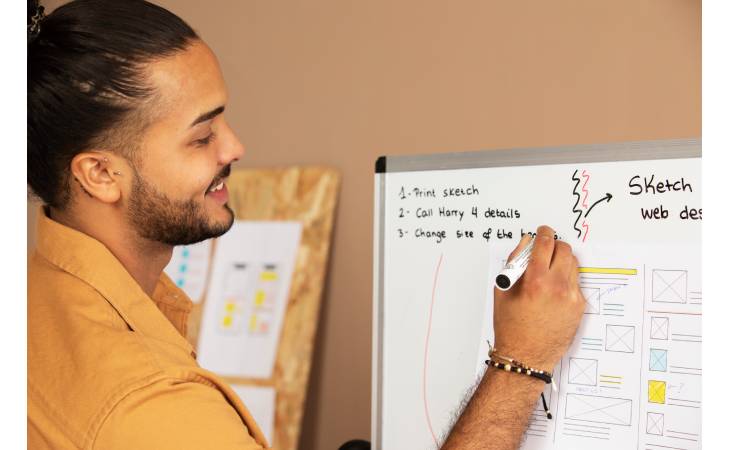
Depending on the institute, the assessment may include:
- Creative aptitude and visualization
- Drawing and sketching ability
- Observation and memory
- Logical and analytical reasoning
- General awareness and current affairs
- Design sensitivity
- Communication skills
- Personal interviews or studio tests
- Portfolio evaluation (where applicable)
Rather than memorizing answers, these assessments are designed to understand your creative potential and thought process. Developing these abilities gradually is far more effective than attempting to learn everything just before the exam.
Build Strong Creative Observation Skills
Observation is one of the most important skills evaluated in design entrance exams. It helps students identify visual patterns, understand user needs, and generate creative solutions during sketching, aptitude, and studio test exercises.
Design begins with observation. Every successful designer notices details that others often overlook. Whether it’s the layout of a café, product packaging, street signage, or everyday interactions, observing the world carefully helps develop visual thinking.
A simple habit of carrying a sketchbook or digital notebook can significantly improve your creativity. Instead of only drawing objects, try understanding:
- Why is a product designed that way?
- Could the user experience be improved?
- How do colors, shapes, and materials influence perception?
This habit strengthens creative aptitude naturally and prepares you for questions that test design thinking rather than technical knowledge.
Practice Drawing Without Focusing on Perfection
Many students worry because they are not “good artists.” Fortunately, most design entrance preparation focuses on communicating ideas clearly instead of creating flawless artwork.
Regular sketching improves:
- Perspective
- Proportion
- Visual storytelling
- Object visualization
- Speed and confidence
Practice drawing common objects from different angles, everyday scenes, human figures, and simple product concepts. Quick sketches completed within five to ten minutes are often more beneficial than spending hours perfecting a single drawing.
The objective is to train your mind to express ideas visually.
Develop Your Design Aptitude Beyond Drawing
Modern designers combine creativity with analytical thinking. That’s why many admission tests include reasoning and problem-solving questions alongside creative exercises.
Spend time practicing:
- Visual reasoning
- Pattern recognition
- Logical reasoning
- Spatial ability
- Abstract thinking
- Data interpretation
- Situation-based problem solving
These exercises strengthen your overall design aptitude and help you approach unfamiliar questions with confidence.
Understand the Exam Pattern Before You Begin Preparing
Every design institute follows its own admission process, so understanding the exam pattern should be one of your first preparation steps. Some entrance exams emphasize creative aptitude and sketching, while others place greater importance on logical reasoning, design awareness, studio tests, interviews, or portfolio reviews. Familiarizing yourself with the syllabus, marking scheme, duration, and question types allows you to allocate your preparation time more effectively and avoid surprises on exam day.
Create a Structured Study Plan
Consistency always delivers better results than intensive studying for a few weeks.
An effective weekly study schedule should include a balance of different activities:
| Activity | Suggested Focus |
|---|---|
| Sketching practice | Daily |
| Creative thinking exercises | 3, 4 days a week |
| Logical reasoning | Alternate days |
| Current design awareness | Daily reading |
| Mock tests | Weekly |
| Portfolio work (if required) | Ongoing |
Rather than studying for long hours, focus on improving one skill at a time. Small, consistent improvements accumulate over several months.
Suggested 6-Month Preparation Timeline
| Time Before Exam | Focus |
|---|---|
| 6 months | Build sketching and observation habits |
| 5 months | Practice reasoning and creative aptitude |
| 4 months | Learn design principles and current affairs |
| 3 months | Take weekly mock tests and identify weak areas |
| 2 months | Improve portfolio and interview preparation |
| Final month | Revise, solve previous papers, and manage time effectively |
Stay Updated with Design, Art, and Innovation
Successful candidates often demonstrate curiosity about the creative world beyond textbooks.
Read about:
- Product innovations
- Interior spaces
- Graphic communication
- User experience
- Fashion and visual culture
- Sustainable design
- Architecture
- Emerging technology
Following design exhibitions, museums, competitions, and international creative projects helps broaden your perspective. Many interview questions also explore how aware students are of current design trends and everyday innovations.
Learn Basic Design Principles
Although entrance exams primarily evaluate aptitude rather than technical expertise, having a basic understanding of design principles can strengthen your creative thinking. Concepts such as balance, contrast, hierarchy, alignment, typography, colour theory, composition, and user-centred design often influence how students approach sketching and problem-solving exercises. Learning these fundamentals also provides a strong foundation for future design education.
Prepare Your Portfolio if the Admission Process Requires One
Not every institute asks for a portfolio, but when required, it provides valuable insight into your creative journey.

A strong portfolio usually showcases:
- Sketches
- Personal creative projects
- Photography
- Illustrations
- Digital artwork
- Model making
- Design process documentation
- Experimental work
For inspiration, explore these 15 unique portfolio ideas for design students to discover different types of creative projects and approaches you can consider for your own portfolio.
Remember that reviewers often value originality and thought process more than polished presentation. Including rough concepts, iterations, and explanations can demonstrate how you approach creative challenges.
A portfolio does not need to contain only finished artwork. Admissions teams often appreciate seeing the evolution of your ideas through rough sketches, concept development, experimentation, and revisions. Demonstrating how you think through a design challenge can be just as valuable as showcasing polished outcomes.
If you’re unsure how to structure and present your work, learn how to make a design portfolio that effectively showcases your creative process, skills, and ideas.
Expert Tip: During portfolio reviews, admissions panels often focus less on artistic perfection and more on how students develop ideas, solve creative problems, and explain their design decisions. Showing your thinking process through sketches, revisions, and experimentation can make your portfolio more compelling than presenting only polished final pieces.
Take Mock Tests Under Real Exam Conditions
Mock tests are one of the most effective ways to improve performance.
They help you:
- Understand question patterns
- Improve speed
- Build confidence
- Reduce exam anxiety
- Identify weaker sections
- Practice time management
After every mock test, spend time analyzing mistakes instead of immediately taking another test. Understanding why an answer was incorrect is often more valuable than simply increasing the number of practice papers completed.
Whenever possible, attempt mock tests within the actual exam time limit without interruptions. Simulating real exam conditions helps improve concentration, decision-making under pressure, and time allocation across different sections of the paper.
Prepare for Personal Interviews and Studio Tests
Many design colleges evaluate candidates beyond the written examination.
Interviewers generally want to understand:
- Why you want to pursue design
- Your creative interests
- Personal projects
- Problem-solving approach
- Learning attitude
- Awareness of the design field
Instead of memorizing responses, practice explaining your ideas clearly and confidently. Interview panels usually appreciate genuine curiosity and honest communication more than rehearsed answers.
Avoid Common Preparation Mistakes
Many students unintentionally reduce their chances of success by following ineffective preparation methods.
Some common mistakes include:
| Common Mistake | Better Approach |
|---|---|
| Starting preparation late | Begin 6, 12 months in advance |
| Practicing only drawing | Balance sketching with aptitude and reasoning |
| Copying artwork | Develop original ideas and concepts |
| Skipping mock tests | Practice under timed conditions |
| Building a portfolio at the last minute | Document your work throughout the year |
A balanced preparation strategy produces better long-term results than concentrating on just one skill.
Choose Learning Resources That Encourage Creative Thinking
While self-study is valuable, many students also benefit from structured guidance, peer learning, and regular feedback. Design mentors can help identify strengths, improve visual communication, and develop creative confidence throughout the preparation journey.
Once you begin exploring design colleges, it is equally important to evaluate how institutions support creativity beyond the admission stage. For example, as you shortlist design colleges, look beyond entrance exam preparation and evaluate factors such as curriculum, faculty expertise, industry collaborations, studio-based learning, global exposure, and placement support. Institutions like Ecole Intuit Lab focus on project-based learning, interdisciplinary collaboration, industry mentorship, and creative problem-solving, helping students continue developing the practical skills introduced during entrance preparation.
Why Consistent Preparation Matters
Students who begin preparing several months before their design entrance exams generally have more time to strengthen multiple skills simultaneously, including sketching, observation, reasoning, and portfolio development. Since design admission evaluates a combination of creative and analytical abilities, consistent practice often produces better long-term results than intensive last-minute preparation.
Key Takeaways
- Design entrance exams evaluate creativity, observation, reasoning, communication, and problem-solving, not just drawing skills.
- Build a daily habit of sketching, observing, and analysing everyday objects.
- Practice logical reasoning and visualisation alongside creative exercises.
- Stay informed about design trends, innovations, and current affairs.
- Take mock tests regularly to improve speed and confidence.
- Prepare for interviews and portfolios by showcasing your creative thinking process.
Who Should Read This Guide?
This guide is suitable for:
- Class 11 and 12 students planning to pursue design.
- Students preparing for undergraduate design entrance exams.
- Candidates applying to institutes that conduct aptitude tests, interviews, or portfolio reviews.
- Beginners looking to develop creative thinking and design fundamentals.
Final Thoughts
Preparing for a design entrance exam is a journey of developing curiosity, creativity, observation, and confidence. While technical skills improve with practice, the ability to think critically, communicate ideas visually, and solve problems creatively often makes the greatest difference during the admission process. By following a consistent preparation strategy and embracing continuous learning, aspiring designers can approach entrance exams with greater confidence and take a meaningful step toward building a successful career in the creative industry.
Every designer starts somewhere. With patience, regular practice, and a genuine passion for creativity, you can build the skills needed to succeed in the design admission process and take the first step toward a rewarding creative career.
FAQs
1. How early should I start preparing for a design entrance test?
Starting six to twelve months before the examination usually provides enough time to build drawing ability, creative thinking, reasoning skills, and confidence without unnecessary pressure.
2. Is drawing compulsory for every design admission exam?
No. While many exams include sketching or visualization, several institutions also evaluate creativity, logical reasoning, observation, communication, and problem-solving abilities.
3. Can students from any academic stream apply for design courses?
Yes. Most design colleges accept students from Science, Commerce, and Arts backgrounds, provided they meet the eligibility criteria specified by the institution.
4. Are portfolios mandatory for design college admission?
Not always. Some institutes require portfolios during interviews, while others focus mainly on aptitude tests and studio assessments. Students should always verify the admission process of the colleges they plan to apply to.
5. What is the most important skill for aspiring designers?
Creative thinking, curiosity, observation, communication, and the ability to solve problems are often considered more valuable than artistic perfection alone.
6. Can I crack a design entrance exam without coaching?
Yes. Many students prepare successfully through self-study by following a structured schedule, practicing sketching regularly, solving mock tests, and building strong observation and reasoning skills.
7. How many hours should I study daily?
Most students benefit from 2, 4 hours of focused preparation each day, with time divided between sketching, aptitude, current affairs, and mock tests.
8. Are mathematics questions asked in design entrance exams?
Some design entrance exams include basic mathematical aptitude, logical reasoning, or analytical questions. The level and weightage vary depending on the institution.
9. Which books are useful for design entrance preparation?
Books covering creative aptitude, logical reasoning, observation exercises, and sketching practice are commonly recommended. Students should also refer to previous years’ papers and official exam resources where available.


