Difference between game art & game design
Share
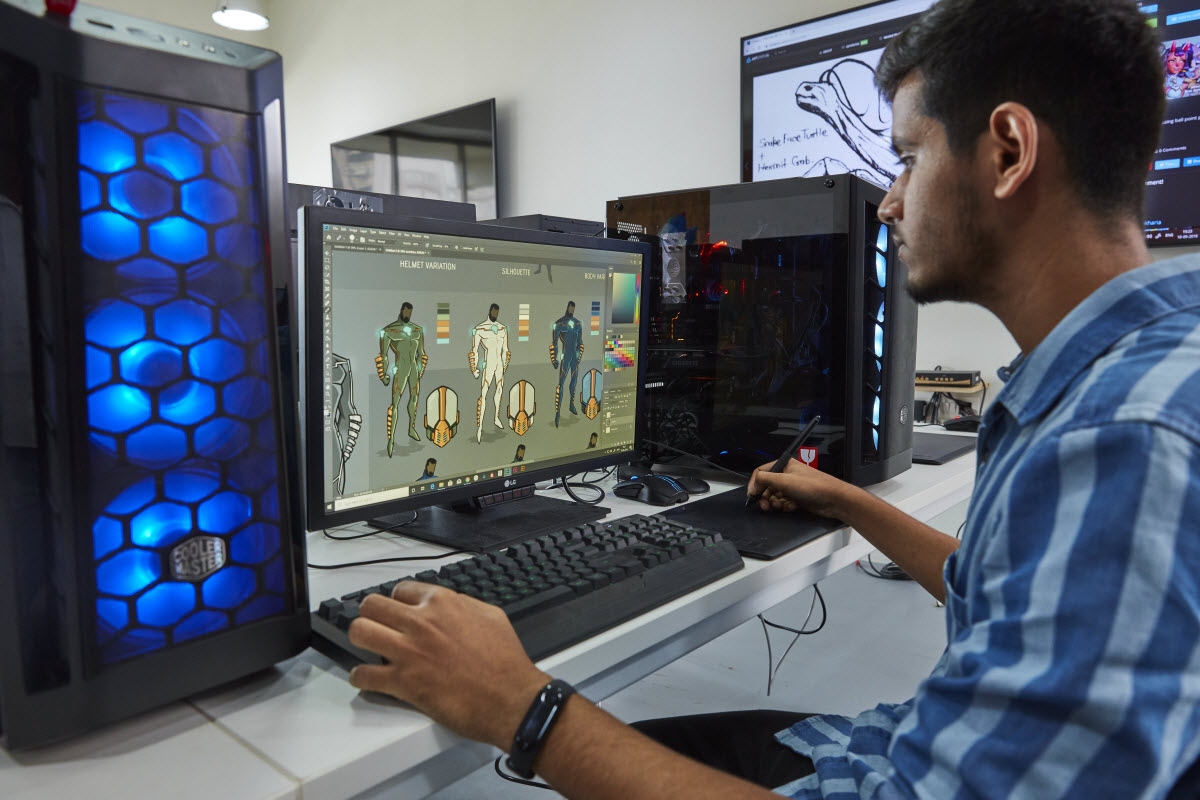
The gaming industry is growing faster than ever, creating exciting career opportunities for students interested in creativity, storytelling, technology, and interactive experiences. But when beginners explore careers in gaming, one question comes up again and again:
What is the difference between Game Art and Game Design?
Many people assume both roles are the same because they work on the same game. In reality, they focus on completely different aspects of game development.
Simply put:
- Game artists create how a game looks
- Game designers create how a game works
Both are equally important, and together they shape the overall player experience.
If you’re planning a career in the video game industry, understanding this difference is the first step toward choosing the right path.
If you’re completely new to the field, you can also explore our detailed guide on
what game art and design really involve as a career.
What is Game Art?
Game art focuses on the visual and creative side of a video game. It defines the world players see, explore, and emotionally connect with.
From character appearances to fantasy environments and cinematic effects, game artists are responsible for building the visual identity of a game.
Whether it’s the realistic environments of God of War or the stylized universe of Fortnite, game artists help create the atmosphere that makes games memorable.
Key Responsibilities of a Game Artist
Game artists may work in different specializations such as concept art, 3D modeling, animation, or environment design. Their responsibilities often include:
- Designing characters, costumes, and creatures
- Creating game environments and props
- Developing textures, lighting, and visual effects
- Building UI elements like menus and HUDs
- Working on animations and movement
- Collaborating with designers and developers
Tools Commonly Used in Game Art
Professional game artists use industry-standard software to create high-quality visuals.
Some popular tools include:
- Autodesk Maya
- Blender
- Photoshop
- ZBrush
- Substance Painter
- 3ds Max
Many artists also work with game engines like Unreal Engine and Unity to test how assets function inside a game environment.
In short: Game artists create everything players see.
What is Game Design?

While artists focus on visuals, game designers focus on the
gameplay experience.
Game design is about creating systems, rules, mechanics, and interactions that make a game engaging and enjoyable to play.
A game designer decides:
- What the player can do
- How levels progress
- How challenges work
- What makes the game fun
For example, the addictive building mechanics in Minecraft or the strategic combat systems in The Legend of Zelda: Breath of the Wild are results of strong game design.
Key Responsibilities of a Game Designer
Game designers combine creativity with logic and problem-solving.
Their work often includes:
- Designing gameplay mechanics
- Creating level structures and progression systems
- Defining rules, rewards, and objectives
- Building user experience (UX) flow
- Balancing difficulty and engagement
- Testing and improving gameplay systems
Unlike game artists, designers spend more time thinking about:
- player behavior
- interaction patterns
- challenge balance
- user engagement
In short: Game designers create how players interact with the game.
Game Artist vs Game Designer: Key Differences
| Aspect | Game Artist | Game Designer |
|---|---|---|
| Main Focus | Visuals and aesthetics | Gameplay and mechanics |
| Role | Creates look and feel | Defines how the game works |
| Skills Needed | Creativity, drawing, 3D tools | Logic, UX thinking, problem-solving |
| Output | Characters, environments, animations | Gameplay systems, levels, rules |
| Goal | Make the game visually immersive | Make the game engaging and playable |
How Game Artists and Designers Work Together
A successful video game is never created by one department alone.
Game designers and artists work closely throughout the game production pipeline.
For example:
- Designers create the gameplay structure
- Artists visually bring that structure to life
- Developers program the systems
- Sound teams build immersion
Imagine a racing game:
- Designers decide the speed mechanics, controls, and level progression
- Artists create the cars, environments, tracks, and effects
Without game designers, the game may look beautiful but feel boring.
Without game artists, the game may work perfectly but fail to emotionally engage players.
Great games succeed when both creativity and gameplay work together.
Which Career Should You Choose?
Choosing between game art and game design depends entirely on your interests, strengths, and personality.
Choose Game Art if You:
- Enjoy drawing or visual storytelling
- Love character or environment creation
- Are passionate about aesthetics and animation
- Like working with design software
- Prefer creative visual work
Game art is ideal for students interested in:
- concept art
- 3D modeling
- animation
- visual effects
- digital illustration
Choose Game Design if You:
- Enjoy solving problems
- Like strategy and logic
- Think deeply about user experience
- Enjoy planning systems and mechanics
- Are curious about how games function
Game design is ideal for students interested in:
- gameplay systems
- level design
- UX design
- game mechanics
- interactive storytelling
Students interested in gameplay creation and interactive experiences can also learn more about
how to become a game designer and the skills needed to enter the industry.
Can You Learn Both?
Yes, and many professionals do.
In smaller studios, creators often handle multiple responsibilities. A designer may understand art fundamentals, while an artist may explore gameplay systems and game engines.
Having knowledge of both fields can make you:
- more versatile
- more collaborative
- more valuable in the gaming industry
This is why many modern game development programs encourage interdisciplinary learning.
Is One Career Better Than the Other?
No. Both careers are equally valuable.
A visually stunning game with weak gameplay struggles to retain players.
At the same time, an intelligently designed game with poor visuals may fail to attract attention in a competitive market.
The gaming industry depends on both:
- engaging gameplay
- immersive visual experiences
The best games successfully balance both elements.
Career Opportunities in the Gaming Industry
The global gaming industry continues to grow rapidly, creating demand for skilled professionals in both art and design.
Career roles in Game Art include:
- Character Artist
- Environment Artist
- UI Artist
- 3D Modeler
- Animator
- Concept Artist
Career roles in Game Design include:
- Level Designer
- Gameplay Designer
- UX Designer
- Narrative Designer
- Systems Designer
- Creative Director
With experience, professionals in both fields can work in:
- gaming studios
- animation companies
- AR/VR experiences
- mobile game production
- indie game development
How to Start a Career in Game Art or Game Design
Breaking into the gaming industry requires more than passion alone.
Students should focus on:
- strong creative fundamentals
- technical skills
- portfolio development
- hands-on projects
- industry exposure
Learning tools like Blender, Unity, Unreal Engine, and Photoshop can help students build practical experience early.
Students looking for structured industry-focused learning can also explore
bachelor’s programs in game art and design that combine creative development, technical training, and portfolio building for gaming careers.
Final Thoughts
Game art and game design are two different disciplines, but they work toward the same goal: creating unforgettable player experiences.
If you enjoy visuals, storytelling, and artistic creativity, game art may be the right path for you.
If you enjoy gameplay systems, logic, and interactive experiences, game design may suit you better.
And if you love both, the gaming industry offers endless opportunities to explore and combine creative and technical skills.
Because in the end, great games are not just designed or illustrated, they are experienced.
FAQs
1. Can a game artist transition into a game designer role?
Yes. Many professionals transition between roles over time. Since both fields overlap in understanding player experience and game structure, artists can move into design by learning gameplay mechanics, level design, and interactive systems.
2. Which role has better career opportunities: game art or game design?
Both roles offer strong career opportunities in the gaming industry. Demand depends on the type of studio and project. Game artists are essential for visual production, while game designers are crucial for gameplay innovation and user engagement.
3. Do game artists need coding skills?
Game artists usually do not require advanced coding skills. However, basic knowledge of game engines like Unity or Unreal Engine can improve collaboration with developers and increase career opportunities.
4. How do studios balance game design and game art?
Most studios prioritize both equally. Story-driven and cinematic games may emphasize visual art, while strategy or simulation games may focus more heavily on gameplay systems and mechanics.
5. Is game design harder than game art?
Both fields have different challenges. Game art requires strong visual creativity and technical design skills, while game design requires problem-solving, balancing mechanics, and understanding player psychology. The difficulty depends on an individual’s strengths and interests.


