How Storyboarding Skills Open Career Opportunities in Animation, Gaming, and Film
Share
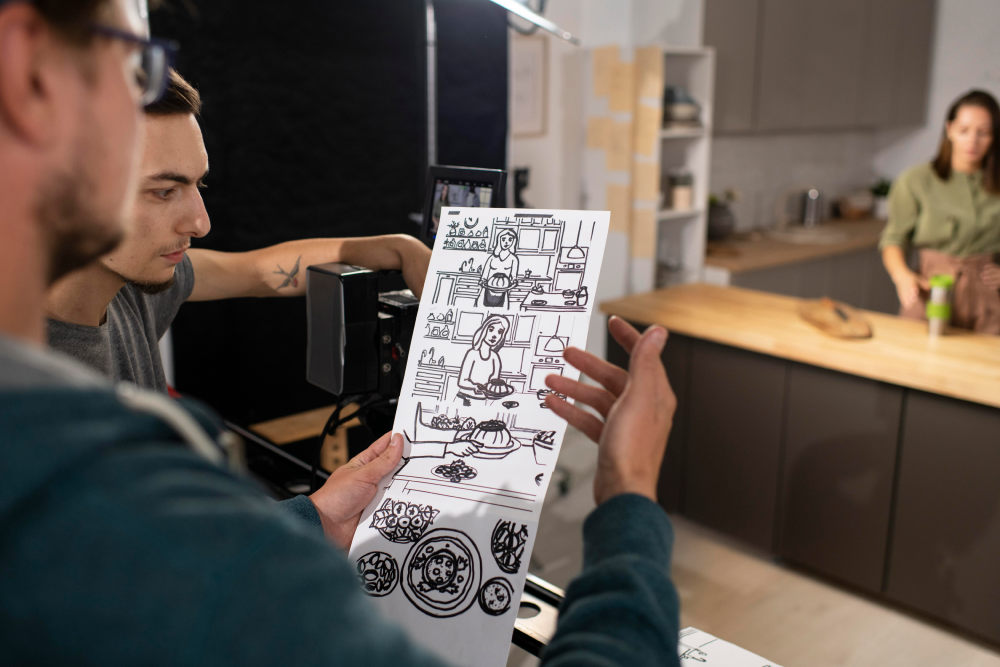
For students exploring creative careers after 12th, storyboarding is one of the most versatile skills they can develop. While many people think storyboarding is only about drawing scenes, professionals across animation, gaming, and film view it as a powerful visual storytelling skill that helps transform ideas into engaging experiences.
Storyboarding teaches students how to communicate stories visually, plan scenes, understand audience emotions, design camera movements, and organize production workflows. These abilities are valuable far beyond a single job role, which is why storyboarding skills often create opportunities across animation studios, game development companies, film productions, advertising agencies, OTT platforms, and digital media organizations.
In today’s creative industries, strong storyboarding skills can become a foundation for careers in animation, gaming, filmmaking, visual development, cinematic design, and creative direction.
What Is Storyboarding?
Storyboarding is the process of visually planning a story, scene, sequence, or experience through a series of panels that show how events unfold before production begins.
A storyboard acts as a visual blueprint that helps teams understand:
- Character actions
- Scene progression
- Camera angles
- Emotional moments
- Visual pacing
- Story flow
Whether creating an animated film, a game cinematic, a commercial, or a movie sequence, storyboards help teams visualize ideas before investing significant time and resources into production.
Why Storyboarding Is More Than Just Drawing
Many students assume storyboarding is primarily an illustration skill.
In reality, studios value storyboarding because it combines multiple creative abilities into one discipline.
A storyboard artist must think like a storyteller, director, designer, and problem-solver simultaneously.
Storyboarding develops skills such as:
- Visual storytelling
- Creative communication
- Narrative thinking
- Camera language
- Shot composition
- Scene planning
- Audience engagement
- Production problem-solving
These are transferable skills that can be applied across animation, gaming, and film.
“Studios hire storytellers first and illustrators second.”
A visually impressive drawing has limited value if it does not communicate a story clearly.
Why Creative Industries Value Storyboarding Skills
Storyboarding sits at the intersection of storytelling and production.
Before an animator begins animating, a filmmaker starts shooting, or a game studio develops a cinematic sequence, someone must decide how the story will be experienced by the audience.
That planning often happens through storyboards.
Organizations value storyboard thinkers because they can:
- Communicate ideas clearly
- Reduce production risks
- Improve collaboration
- Identify storytelling issues early
- Save production time and costs
This makes storyboarding one of the most transferable creative skills in modern media production.
How Storyboarding Skills Create Opportunities in Animation
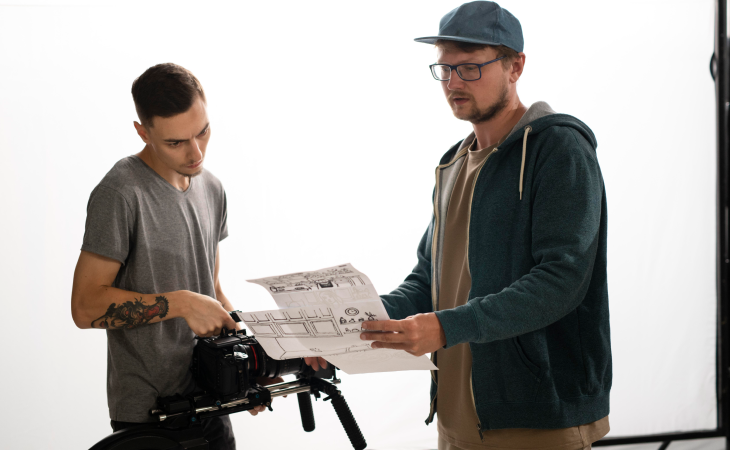
Storyboarding helps animation professionals plan stories, character performances, emotional moments, and visual sequences before animation production begins.
Animation studios rely heavily on storyboards because every movement, expression, and scene must be carefully planned.
Storyboarding develops several skills that are directly valuable in animation:
| Storyboarding Skill | Animation Application |
|---|---|
| Visual Storytelling | Narrative development |
| Character Acting | Character animation |
| Shot Planning | Scene construction |
| Emotional Timing | Audience engagement |
| Sequence Design | Episode and film production |
Professionals with strong storyboarding skills often move into roles involving:
- Storyboarding
- Visual Development
- Layout Design
- Animation Direction
- Creative Direction
Leading animation studios such as Pixar, Disney, and DreamWorks Animation use storyboards, animatics, and previsualization extensively before final animation production begins.
Career Journey Example
A student who learns storyboarding often begins by planning animated sequences and understanding how stories are visually structured. Over time, these storytelling skills can lead to opportunities in visual development, animation production, and eventually creative leadership roles.
How Storyboarding Skills Create Opportunities in Gaming
In gaming, storyboarding helps teams design cinematic experiences, narrative sequences, player journeys, and interactive storytelling moments.
Modern games increasingly combine filmmaking techniques with gameplay design. Before a cinematic sequence is animated, developers use storyboards to visualize how players will experience the story.
Storyboarding develops gaming-relevant skills such as:
| Storyboarding Skill | Gaming Application |
|---|---|
| Narrative Planning | Story-driven gameplay |
| Cinematic Thinking | Cutscene creation |
| Visual Communication | Team collaboration |
| Sequence Design | Quest and mission flow |
| Audience Perspective | Player experience design |
These skills support opportunities in:
- Cinematic Design
- Narrative Visualization
- Visual Development
- Game Storytelling
- Creative Direction
Global companies such as Ubisoft, EA, and Rockstar Games invest heavily in cinematic storytelling, making visual planning skills increasingly valuable within game production environments.
Career Journey Example
A student interested in games may begin by creating storyboards for game cinematics. Through practice, they develop skills in storytelling, pacing, and player engagement that can later contribute to opportunities in game development and cinematic production.
How Storyboarding Skills Create Opportunities in Film
Direct Answer
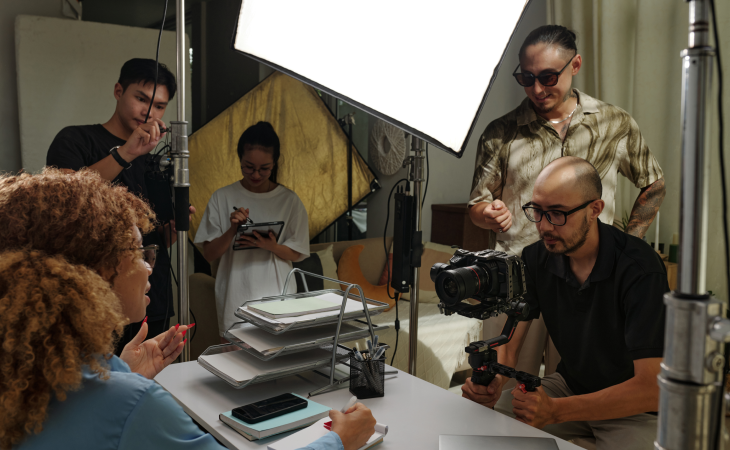
In film production, storyboarding helps professionals plan scenes, visualize camera movement, organize production workflows, and communicate creative ideas before filming begins.
Filmmakers frequently use storyboards to test ideas before investing in expensive shoots.
Storyboarding strengthens important filmmaking skills such as:
| Storyboarding Skill | Film Application |
|---|---|
| Shot Composition | Cinematography |
| Camera Planning | Directing |
| Visual Storytelling | Screen storytelling |
| Scene Breakdown | Production planning |
| Narrative Flow | Film editing |
These abilities can support career opportunities in:
- Filmmaking
- Direction
- Previsualization
- Cinematography
- Creative Production
Career Journey Example
Many aspiring filmmakers develop a deeper understanding of storytelling by studying scenes through storyboards. Learning how visual sequences work often becomes a foundation for directing and other production-focused careers.
How Storyboarding Connects Animation, Gaming, and Film
One reason storyboarding remains highly valuable is that the same core skills apply across multiple industries.
Shared Skills Across Industries
| Storyboarding Skill | Animation | Gaming | Film |
|---|---|---|---|
| Visual Storytelling | ✓ | ✓ | ✓ |
| Shot Composition | ✓ | ✓ | ✓ |
| Character Acting | ✓ | ✓ | ✓ |
| Narrative Planning | ✓ | ✓ | ✓ |
| Audience Engagement | ✓ | ✓ | ✓ |
| Creative Communication | ✓ | ✓ | ✓ |
This transferability allows professionals to explore opportunities across different creative sectors throughout their careers.
“Storyboarding is one of the few creative skills that transfers seamlessly across animation, gaming, and film.”
Inside the Production Pipeline: Why Storyboarding Matters
Many students do not realize how deeply storyboarding is integrated into professional production workflows.
A typical production process may look like:
Script , Storyboard , Animatic , Previsualization , Production
Storyboard
Visual planning of scenes and storytelling.
Animatic
A timed version of storyboard panels used to test pacing and narrative flow.
Previsualization
A more advanced stage used to test camera movement, scene timing, action sequences, and visual effects before production begins.
This process helps teams identify creative challenges early, reducing expensive revisions later.
Because storyboard artists understand these workflows, they often become valuable contributors throughout production.
Camera Language and Shot Composition: Why These Skills Matter
One of the biggest reasons storyboarding creates career opportunities is that it teaches students how visual stories are constructed.
Strong storyboard artists understand:
- Camera placement
- Visual focus
- Scene transitions
- Emotional framing
- Audience perspective
Common Shot Types
| Shot Type | Purpose |
|---|---|
| Wide Shot | Establish setting |
| Medium Shot | Show interaction |
| Close-Up | Highlight emotion |
| Over-the-Shoulder | Create perspective |
| Tracking Shot | Show movement |
Recruiters frequently evaluate storytelling decisions and camera choices before evaluating artistic polish.
A simple storyboard with excellent visual storytelling is often more valuable than highly rendered artwork with weak narrative communication.
Why Storyboarding Skills Are Becoming More Valuable
Several industry trends are increasing demand for professionals who can think visually and communicate stories effectively.
Growth Drivers
- Expansion of OTT platforms
- Increased animation production
- Growing gaming industry
- Rise of virtual production
- Demand for digital content
- Growth of cinematic experiences
As content ecosystems become more competitive, companies increasingly need professionals who can plan compelling visual experiences before production begins.
Storyboarding and AI: What Students Should Know
Artificial intelligence is changing many creative workflows, but it is not replacing the need for storytelling expertise.
AI tools can assist with:
- Visual references
- Idea generation
- Concept exploration
However, human creators still make critical decisions involving:
- Narrative structure
- Emotional storytelling
- Audience engagement
- Character motivation
- Creative direction
“AI can generate images, but storytelling decisions still require human judgment.”
Students who combine storytelling skills with emerging technologies are likely to remain highly valuable in future creative industries.
How Students Typically Develop Storyboarding Skills
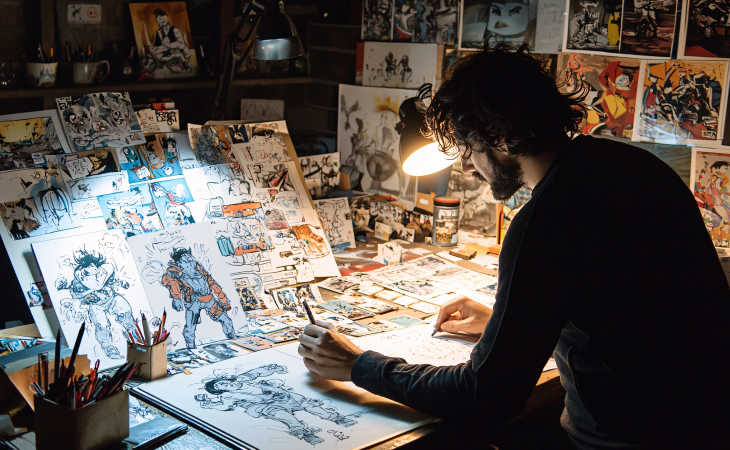
Students interested in animation, gaming, and film often build storyboarding skills through a combination of:
- Visual storytelling practice
- Creative projects
- Film and animation analysis
- Portfolio development
- Collaborative learning
- Industry exposure
Many students explore these skills through disciplines such as:
- Animation
- Motion Design
- Game Art
- Visual Communication
- Film Production
Educational pathways such as a Bachelor in Animation & Motion Design or a Bachelor in Game Art & Design may provide opportunities to develop storytelling, cinematic thinking, visual communication, and production-planning abilities that are relevant across creative industries.
Key Insights Students Should Know
- Storyboarding is fundamentally a storytelling skill, not just a drawing skill.
- Creative industries value visual problem-solvers as much as artists.
- Strong storytelling often matters more than artistic perfection.
- Storyboarding teaches skills that transfer across animation, gaming, and film.
- Many creative leaders begin their careers by learning how stories are visually constructed.
- Camera language is one of the most important skills students can develop.
- Understanding audience experience is valuable across every creative medium.
- Storyboards help teams solve problems before production begins.
- AI can assist workflows, but storytelling remains a human-driven discipline.
- Storyboarding provides one of the strongest foundations for long-term creative career growth.
Key Takeaways
- Storyboarding is a visual storytelling skill used across animation, gaming, and film.
- It develops transferable abilities such as narrative thinking, camera planning, visual communication, and creative problem-solving.
- These skills create opportunities across multiple creative industries rather than limiting students to a single career path.
- Storyboarding plays a critical role in professional production workflows through animatics, previsualization, and production planning.
- As gaming, animation, film, and digital content industries continue to grow, storyboarding remains one of the most valuable foundational skills for aspiring creative professionals.
FAQs
1. How do storyboarding skills help in animation careers?
Storyboarding helps animation professionals plan stories, character performances, emotional moments, and scene sequences before production begins. These skills are valuable in roles related to animation production, visual development, and creative direction.
2. Why are storyboarding skills important in gaming?
Storyboarding supports cinematic design, narrative planning, player experience design, and interactive storytelling. These abilities help gaming teams create engaging narrative experiences.
3. How do filmmakers use storyboarding skills?
Filmmakers use storyboards to visualize scenes, plan camera movement, organize production workflows, and communicate creative ideas before filming begins.
4. Can storyboarding skills be transferred across industries?
Yes. Skills such as visual storytelling, shot composition, audience engagement, narrative planning, and creative communication are valuable in animation, gaming, film, advertising, and digital media.
5. Is storyboarding still relevant in the age of AI?
Yes. While AI can assist with visual ideation, human storytelling, emotional understanding, creative judgment, and audience-focused decision-making remain essential.
6. What should students learn first if they want to develop storyboarding skills?
Students should focus on visual storytelling, shot composition, camera language, narrative structure, and observation skills before worrying about advanced software or highly polished artwork.


