How Gaming Culture Is Creating New Creative Careers
Share

For years, gaming was treated as a distraction rather than a serious career industry. Parents worried about screen time, teachers rarely discussed gaming beyond entertainment, and students often hid their interest in games from academic conversations.
But the reality today looks very different.
Gaming culture has evolved into one of the world’s most influential creative ecosystems, shaping industries far beyond entertainment. From game design and animation to virtual production, storytelling, digital fashion, and immersive experiences, gaming is creating entirely new creative careers for a generation that thinks digitally first.
What makes this shift important is that gaming is no longer only about playing. It is about creating worlds, designing experiences, building communities, and shaping how people interact with technology.
For students exploring future-focused creative careers, the gaming industry is becoming one of the most exciting spaces to watch.
Gaming Is No Longer Just Entertainment
The modern gaming industry combines creativity, technology, psychology, storytelling, design, and interaction. Every successful game today is built by large teams of artists, designers, writers, animators, strategists, and developers working together to create immersive experiences.
In fact, the global gaming industry has grown so rapidly that it now generates more revenue than the film and music industries combined. This growth has transformed gaming from a niche hobby into a mainstream creative economy.
But one of the biggest misconceptions about gaming careers is that they are limited to professional gaming or streaming.
The reality is much broader.
Today’s gaming ecosystem includes careers in:
- Game design
- Animation
- UI/UX design
- Character design
- Digital illustration
- Motion graphics
- Interactive storytelling
- Environment design
- 3D world-building
- Virtual production
- Esports branding
- Content creation
This is one reason gaming industry careers are attracting students interested in both creativity and technology.
For example, Fortnite evolved from a multiplayer game into a global digital entertainment platform. It has hosted live concerts, brand collaborations, virtual fashion launches, and interactive events attended by millions of users worldwide.
This shows how gaming now overlaps with:
- Media
- Fashion
- Music
- Advertising
- Experience design
- Digital storytelling
Gaming culture is no longer sitting inside the entertainment industry. It is influencing the future of digital experiences itself.
Why Gen Z Connects So Deeply With Gaming Culture

Unlike previous generations, Gen Z grew up inside interactive digital environments. They are used to personalization, immersion, and active participation rather than passive content consumption.
Gaming naturally reflects this behavior.
It allows users to:
- Create identities
- Build communities
- Explore virtual spaces
- Collaborate socially
- Solve problems creatively
- Experience stories interactively
This is why gaming culture feels deeply connected to how younger audiences think, communicate, and express themselves.
For many students, gaming is not simply about competition or entertainment. It is also about creativity.
A student spending hours building immersive environments in Minecraft may actually be developing spatial thinking, storytelling ability, architectural visualization, and digital creativity without even realizing it.
Similarly, creators designing experiences inside Roblox often experiment with user interaction, world-building, and visual communication — skills that are increasingly relevant in modern design industries.
This shift matters because the future workplace is becoming more experience-driven, interactive, and digitally immersive. Students already comfortable with gaming ecosystems may adapt faster to emerging creative technologies.
How Gaming Culture Is Shaping New Creative Career Opportunities
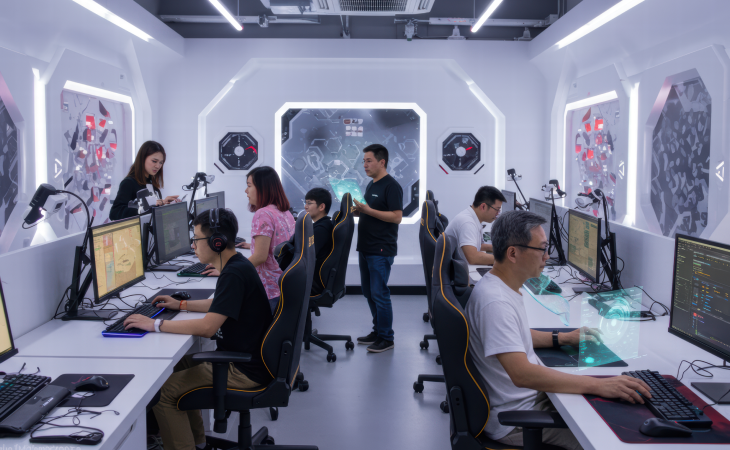
1. Game Design Is Becoming Experience Design
Modern game designers do far more than create gameplay mechanics. They design emotional and interactive experiences.
Their work involves understanding:
- Human behavior
- User psychology
- Motivation systems
- Story progression
- Player engagement
- Interactive environments
This makes game design one of the most multidisciplinary creative careers today.
As industries increasingly focus on user engagement and immersive experiences, the thinking behind game design is influencing industries far beyond gaming itself.
Learn more about How to become a Game Designer
2. Game Art and Visual Development Are Expanding Rapidly
Visual storytelling is one of the strongest elements of gaming culture.
Every game requires artists who can create:
- Characters
- Worlds
- Environments
- Textures
- Visual identities
- Fantasy ecosystems
Games today are often remembered for their artistic direction as much as their gameplay. For example, Genshin Impact became globally popular partly because of its visually immersive world-building and distinctive art style.
This growing demand for visual experiences is encouraging more students to explore game art and design careers that focus on character creation, immersive environments, visual storytelling, and digital world-building.
This growing demand for visual experiences is creating opportunities for:
- Digital artists
- Concept designers
- Environment artists
- 3D modelers
- Visual development professionals
Many of these skills are also transferable to industries like film, advertising, animation, and virtual production.
3. Interactive Storytelling Is Creating New Opportunities for Writers
Gaming has completely changed how storytelling works.
In films, audiences watch stories unfold. In games, players participate in them.
This shift has created demand for professionals working in:
- Narrative design
- Dialogue writing
- Interactive storytelling
- Emotional experience design
- World-building
Games like The Last of Us received global recognition not only for gameplay but for emotionally powerful storytelling comparable to cinema and television.
This proves that gaming is opening entirely new creative pathways for writers and storytellers.
4. Animation and Motion Design Are Becoming More Important
Modern gaming experiences rely heavily on movement, realism, transitions, and cinematic interaction.
As a result, the industry increasingly needs:
- 3D animators
- Motion designers
- Visual effects artists
- Cinematic designers
- Real-time animation specialists
Interestingly, these same skills are now in demand across:
- OTT platforms
- Advertising
- Virtual production
- AR/VR experiences
- Digital entertainment
Gaming culture is influencing the broader future of animation and immersive media careers.
5. UI/UX Design in Gaming Is Influencing Digital Products Everywhere
Gaming has raised expectations for digital experiences. Users now expect intuitive navigation, smooth interaction, personalization, and emotional engagement.
This has made UI/UX design one of the fastest-growing creative fields connected to gaming culture.
Gaming UI/UX designers focus on:
- Interaction systems
- User behavior
- Accessibility
- Emotional engagement
- Interface design
Today, even non-gaming industries borrow ideas from gaming psychology.
Fitness apps, education platforms, shopping experiences, and social media platforms increasingly use gamification to improve engagement.
This shows how gaming design principles are influencing the wider digital economy.
Gaming Skills Are Becoming Valuable Across Industries

One of the most important changes happening today is that gaming-related creative skills are no longer limited to gaming companies.
The same skills are now used in:
- Virtual reality
- Augmented reality
- Metaverse environments
- Experiential marketing
- Interactive retail
- Digital exhibitions
- Simulation design
- Immersive education platforms
Global brands are increasingly investing in immersive digital experiences to connect with younger audiences.
As a result, professionals who understand interaction design, virtual storytelling, and immersive creativity are becoming highly valuable across industries.
Gaming culture is no longer shaping only entertainment. It is shaping the future of communication, branding, education, and digital interaction.
Why Parents Need to Rethink Gaming Careers
Many parents still associate gaming only with distraction because they grew up in a very different media environment. But today’s gaming ecosystem requires serious creative and technical skills.
A student interested in gaming may actually be developing:
- Design thinking
- Visual communication
- Problem-solving
- Collaboration
- Storytelling abilities
- User experience understanding
Similarly, students creating gaming content online often learn:
- Video editing
- Branding
- Motion graphics
- Audience engagement
- Digital marketing
These are highly relevant skills in the modern creator economy.
The conversation around gaming careers should therefore move beyond the idea of simply “playing games.” It should focus on the larger creative ecosystem surrounding gaming culture.
The Future of Creative Careers Will Be Interactive

The future of digital industries is becoming increasingly immersive.
Technologies like:
- Artificial intelligence
- Virtual reality
- Augmented reality
- Real-time rendering
- Interactive media
are transforming how people experience entertainment, education, shopping, and communication.
Gaming sits at the center of this transformation.
Tomorrow’s creative professionals may work on:
- Virtual environments
- Interactive films
- Digital fashion experiences
- AI-powered storytelling
- Virtual concerts
- Immersive brand worlds
- Metaverse experiences
Many of these industries are already borrowing heavily from gaming culture and experience design principles.
Students who understand creativity, storytelling, interaction, and digital experiences may therefore play an important role in shaping the future creative economy.
Final Thoughts
Gaming culture is creating far more than entertainment. It is creating a new generation of creative careers built around design, storytelling, interaction, technology, and immersive experiences.
For students exploring creative career options after 12th, the gaming industry offers opportunities that combine creativity with innovation and future-ready skills.
A student who once played games simply for fun may one day become the designer building virtual worlds, creating immersive experiences, or shaping how future audiences interact with digital content.
As industries continue becoming more interactive and experience-driven, one thing is becoming increasingly clear: the future of creativity will not only be watched — it will be experienced, explored, and designed. Gaming culture is already leading that transformation.
FAQs
1. Do you need coding skills for a career in gaming?
No. Many gaming careers focus on design, animation, storytelling, UI/UX, digital art, and content creation rather than programming.
2. Is gaming a good career option for creative students?
Yes. The gaming industry offers careers in game design, animation, visual development, interactive storytelling, and immersive media.
3. Can gaming skills be useful outside the gaming industry?
Yes. Skills from gaming are used in advertising, virtual reality, digital marketing, animation, and interactive product design.
4. Are gaming careers growing in India?
Yes. India’s gaming and esports industry is expanding rapidly, creating opportunities in design, content creation, animation, and digital experiences.
5. Why are students interested in gaming careers today?
Students are drawn to gaming careers because they combine creativity, technology, storytelling, and interactive experiences in future-focused industries.


