Animation vs Game Design: Which Career is Better for You?
Share
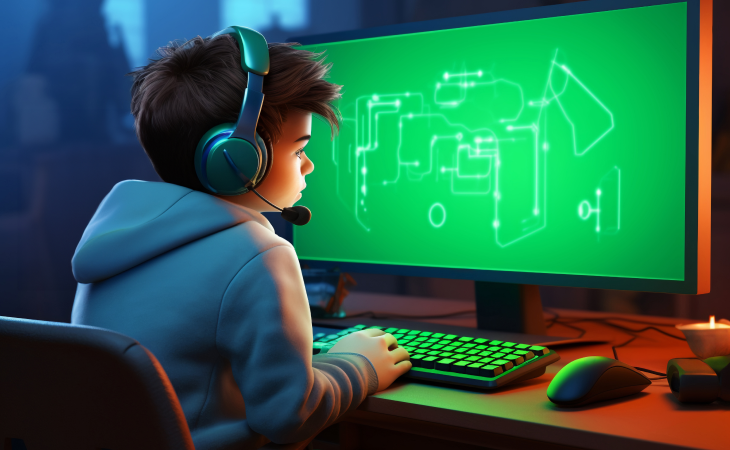
A career in the creative industry today is both exciting and overwhelming. Think of it like choosing a character in a role-playing game (RPG), your decision defines your skills, growth path, and future opportunities.
If you enjoy visuals, storytelling, or gaming, you’ve probably wondered: Should I choose animation or game design as a career?
While both fields may seem similar at first glance, they differ significantly in terms of skills, career paths, salary potential, and industry demand.
According to recent AVGC (Animation, Visual Effects, Gaming, and Comics) reports, India’s animation career in India and game design career path industries are expected to grow at a 14–16% CAGR, making both careers highly promising.
So, how do you decide? Let’s break down the Animation vs Game Design debate to help you find the right fit for your creative future.
Quick Comparison: Animation vs Game Design
→ Choose Animation if you love storytelling, visuals, and creative expression
→ Choose Game Design if you enjoy logic, systems, and interactive experiences
→ Game design generally offers higher salary potential
→ Animation offers more freelancing and creative flexibility
Before diving deeper, let’s understand both fields in simple terms.
What is Animation?
Animation is the process of creating moving visuals using a sequence of images or frames to tell stories in films, games, advertisements, and digital media. It is a core part of the animation career in India and is widely used in the entertainment and marketing industries.
Also Read: What is Animation and Motion Design?
What is Game Design?
Game design is the process of creating interactive systems, rules, and gameplay experiences that define how a game works and how players engage with it. It is a key component of the game development vs game design ecosystem.
Also Read: What is Game Art and Design?
The Fundamental Difference: Linear vs Interactive
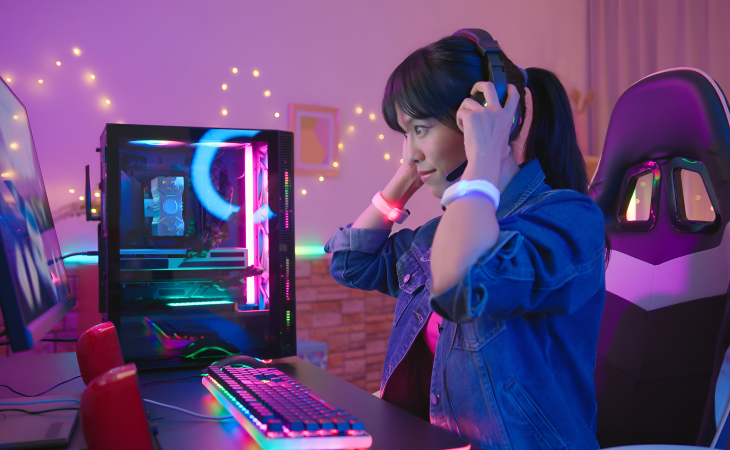
The core difference lies in interactivity:
Animation → Linear storytelling (you control the viewer’s experience)
Game Design → Non-linear systems (players control outcomes)
→ In simple terms:
Animators make people watch
Game designers make people play
Types of Animation You Can Explore:
2D Animation (cartoons, explainer videos)
3D Animation (movies, VFX-heavy content)
Motion Graphics (ads, branding videos)
Stop Motion (creative storytelling)
If you’ve ever watched animated movies and thought, “I wish I could create something like this,” animation might already be calling you.
Key Elements of Game Design:
Gameplay mechanics
Storytelling and world-building
Level design
User experience (UX)
If you love gaming and often think, “This game could have been better if…”, you already have a game designer’s mindset.
1. Core Work Approach: Storytelling vs System Design
At a glance, these fields look identical; both use 3D software and tell stories. However, the fundamental difference lies in interactivity.
Animation: This is linear storytelling. You control exactly what the viewer sees, from which angle, and for how long. Your goal is to evoke emotion through movement and timing.
Game Design: This is non-linear. You aren’t just creating a story; you’re creating a system. You build the rules, the environments, and the logic that allow a player to influence the outcome.
In short: Animators make you watch; Game Designers make you play.
2. The Skills: Artistic Flair vs. Systems Thinking
While both fields require a solid grasp of colour theory and composition, the technical toolkits diverge quickly.
Skills for Animators
Acting and Performance: You need to understand how a body moves when it’s sad versus when it’s defiant.
Timing and Spacing: The “12 Principles of Animation” (squash and stretch, anticipation, etc.) are your Bible.
Software Mastery: You’ll spend your days in tools like Maya, Blender, or Toon Boom Harmony.
Skills for Game Designers
Systemic Logic: You need to think about “If/Then” scenarios. If a player jumps here, what happens to the physics?
Level Design & Flow: Understanding how to guide a player through a space without them getting lost.
Technical Integration: You’ll work closely with game engines like Unreal Engine 5 or Unity, often dabbling in basic scripting (C# or Blueprints).
Animation vs Game Design
Let’s make it super simple.
| Aspect | Animation | Game Design |
|---|---|---|
| Focus | Visual storytelling | Interactive experience |
| Work Style | Linear (start to finish) | Non-linear (user-driven) |
| Skills Needed | Drawing, motion, creativity | Logic, storytelling, UX |
| Tools | Maya, Blender, After Effects | Unity, Unreal Engine |
| Output | Videos, films, ads | Playable games |
3. Career Opportunities: Where Can You Work?

Both careers offer diverse opportunities beyond just films and games.
Career Paths in Animation
Films & OTT platforms
Advertising & marketing
Architectural visualization
Medical animation
→ India’s animation industry is projected to reach ₹180 billion by 2026, making it a strong option for those exploring animation courses after 12th.
Career Paths in Game Design
AAA game studios
Indie game development
Gamification (EdTech, FinTech apps)
Simulation & training
→ India has over 500+ gaming studios, making it ideal for those exploring a game design career path and game development vs game design roles.
Salary Comparison in India
Here’s a clear comparison of salary ranges:
| Experience Level | Animation Designer Salary (₹ LPA) | Game Designer Salary (₹ LPA) |
|---|---|---|
| Entry-Level | 3 – 5 | 4 – 6 |
| Mid-Level | 6 – 10 | 8 – 15 |
| Experienced | 12+ | 20+ |
→ When comparing Animation Designer salary vs Game Designer salary in india, game design often offers higher earning potential, especially in global studios.
4. Industry Demand: The Rise of the “Orange Economy”
If you’re looking at the Indian market, the “Orange Economy” (creative economy) is exploding. With the recent push for AVGC (Animation, Visual Effects, Gaming, and Comics) policies, the demand for skilled talent is at an all-time high.
Animation Demand: Steady. The rise of streaming platforms (Netflix, Hotstar) has created a massive hunger for localised animated content and high-end VFX, boosting the animation career in India.
Gaming Demand: Surging. India is one of the world’s largest consumers of mobile games. Studios are no longer just “outsourcing” work; they are building original IPs, strengthening the game design career path.
→ India is one of the top 5 gaming markets globally by users, with over 500 million gamers.
Which Career Has Better Scope?
This is the question everyone asks, but the answer isn’t one-size-fits-all.
Choose Animation If You Want:
Creative freedom
Freelancing opportunities
Work in films, ads, or content
Choose Game Design If You Want:
Higher earning potential
Work in a booming tech-driven industry
Build interactive products
Both fields have strong futures. The “better” option depends on your personality and interests, not just salary or trends.
Animation vs Game Design: Learning Curve
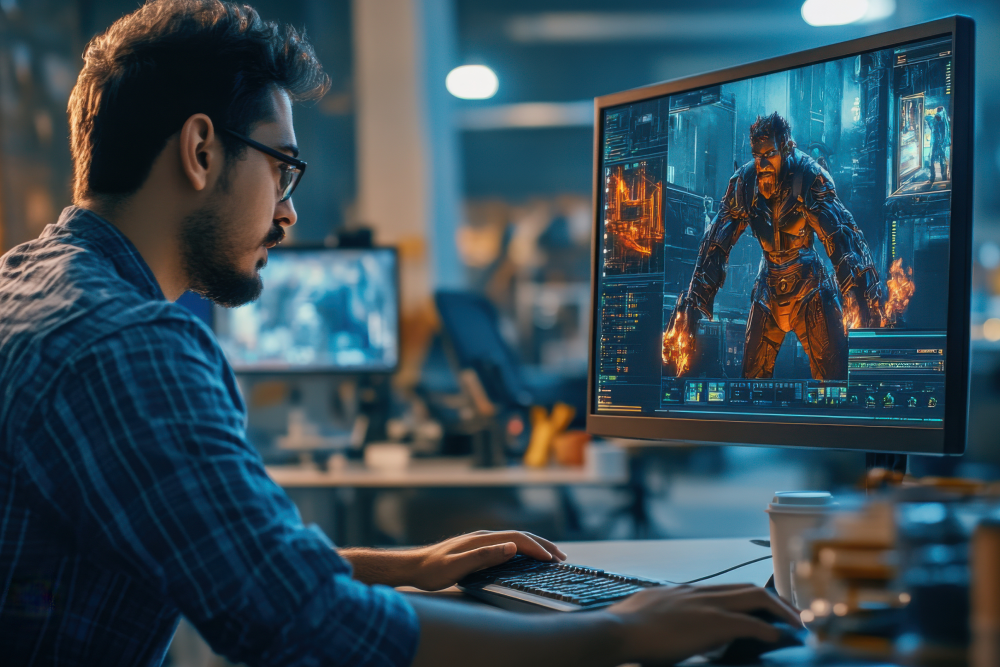
| Aspect | Animation | Game Design |
|---|---|---|
| Learning Curve | Easier for creatively inclined individuals | Slightly steeper learning curve |
| Core Requirement | Requires consistent practice | Requires logical thinking |
| Technical Complexity | Tools are relatively easier to learn | May involve basic coding |
If you’re someone who prefers pure creativity, animation might feel smoother.
If you enjoy challenges and systems, game design might excite you more.
5. Which One is “Better” for You?
Still undecided? Ask yourself these three questions:
Do you love the “Why” or the “How”?
If you love figuring out why a character moves a certain way to show their personality, go for Animation. If you love figuring out how a player can defeat a boss using different strategies, go for the Game Design course.
Patience vs. Logic?
Animation requires extreme patience. You might spend a week perfecting a 3-second shot of a character crying. Game design requires logic. You might spend a week balancing the “stats” of a sword so it isn’t too powerful.
Conclusion: Follow the Craft, Not the Hype
Here’s the truth most people won’t tell you:
There is no “better” career, only a better fit for YOU.
Animation and game design are both exciting, creative, and future-ready fields. The key is to choose the one that keeps you curious, motivated, and willing to learn.
Because in the end, success doesn’t come from picking the “popular” option, it comes from sticking with what you genuinely enjoy.
FAQs
1. Is animation a good career in India?
Yes, animation is growing rapidly due to OTT platforms and digital content demand.
2. Does game design require coding?
Basic coding helps, but many roles focus more on design and gameplay logic.
3. Which pays more: animation or game design?
Game design generally offers higher salaries, especially in global studios.
4. Can I switch from animation to game design?
Yes, with additional skills in game engines and logic, switching is possible.
5. Which is easier to learn: animation or game design?
Animation is easier for creative minds, while game design requires more technical thinking.


