The Growing Demand for Character Concept Artists in Gaming and Entertainment
Share
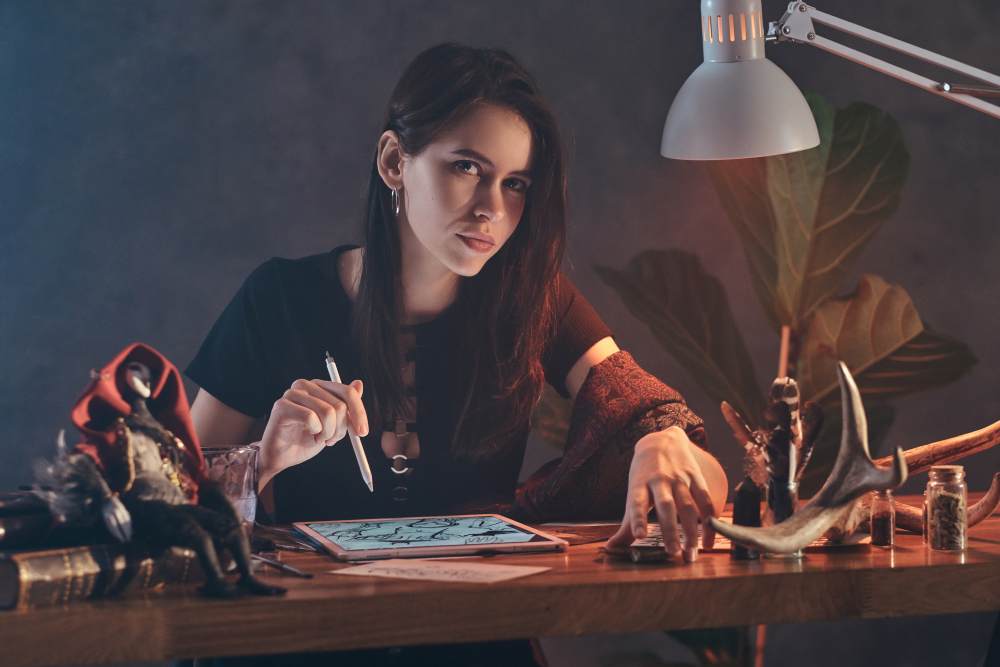
Every successful game, animated film, or entertainment franchise begins with an idea. Before a character is modelled in 3D, animated, or appears on screen, someone must first imagine how that character looks, behaves, and fits into the story. This is where Character Concept Art plays a vital role.
Character Concept Art is the foundation of visual storytelling. It transforms written ideas into believable characters that guide the entire production process. From superheroes and fantasy creatures to game protagonists and animated icons, concept artists help shape the visual identity of characters long before audiences see them.
As gaming, animation, and entertainment industries continue to grow, the demand for skilled character concept artists is increasing. Studios are looking for creative professionals who can combine artistic skills with storytelling, research, and design thinking to create characters that audiences remember.
If you’re passionate about drawing, imagination, and storytelling, understanding this career can help you discover exciting opportunities in the creative industry.
What Is Character Concept Art?
Character Concept Art is the process of designing and visualising characters before production begins. It helps creative teams explore a character’s appearance, personality, clothing, expressions, and overall visual identity before the character moves into modelling, animation, or game development.
Unlike illustrations created for display, concept art focuses on exploration. Artists develop multiple ideas, test different visual directions, and refine designs until they align with the story, audience, and creative vision of the project.
Simply put, concept artists answer one important question:
“What should this character look like, and why?”
The Role of Character Concept Artists in Gaming, Animation, and Entertainment
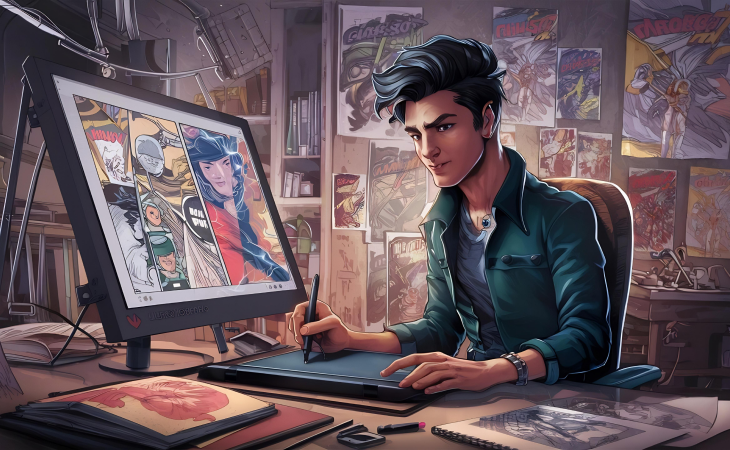
Character concept artists play an important role during the pre-production stage. Their work acts as a blueprint for the rest of the creative team.
Instead of creating final assets, they develop visual references that guide:
- 3D artists
- Animators
- Modellers
- Rigging artists
- VFX teams
- Marketing teams
- Art directors
Without clear concept designs, different departments may interpret a character differently, leading to inconsistent visuals and costly revisions later in production.
That’s why studios invest significant time in character development before production begins.
How Character Concept Artists Contribute to Different Industries
Gaming
In video games, characters are central to the player’s experience. Concept artists design:
- Playable characters
- Villains and bosses
- NPCs (Non-Player Characters)
- Fantasy creatures
- Alternate costumes and skins
- Downloadable content (DLC) characters
Every design must balance creativity with gameplay, ensuring characters are visually distinctive and easy for players to recognise.
Animation
Animation relies heavily on expressive character design.
Before animation begins, concept artists create:
- Character turnarounds
- Facial expression sheets
- Pose explorations
- Costume variations
- Colour studies
These designs help animators maintain consistency while bringing characters to life through movement and performance.
Entertainment and Media
Character design extends beyond games and animation.
Concept artists also contribute to:
- Films
- Streaming content
- Comics
- Graphic novels
- Collectibles
- Toys and merchandise
- Theme park experiences
- Advertising campaigns
Many successful entertainment brands build long-term recognition through memorable characters that appear across multiple platforms.
Why Industry Demand Is Growing
The demand for character concept artists continues to grow because entertainment companies are creating more original content than ever before.
Several factors are driving this demand:
- Growth of the global gaming industry.
- Expansion of streaming platforms.
- Increased investment in original entertainment franchises.
- Rising demand for immersive digital experiences.
- Growth of AR, VR, and interactive media.
Every new game, animated series, or entertainment franchise requires original characters that connect with audiences. This creates opportunities for artists who can combine creativity with problem-solving and storytelling.
What Makes a Character Memorable?
Creating a memorable character involves much more than artistic skill.
Professional concept artists carefully consider:
- Personality
- Silhouette
- Shape language
- Costume design
- Colour psychology
- Facial expressions
- Body language
- Cultural references
A strong character should communicate their personality even before speaking.
For example, posture, clothing, colours, and proportions all influence how audiences perceive a character within seconds.
This ability to tell stories visually is one of the most valuable skills in Character Concept Art.
Skills Required to Become a Character Concept Artist
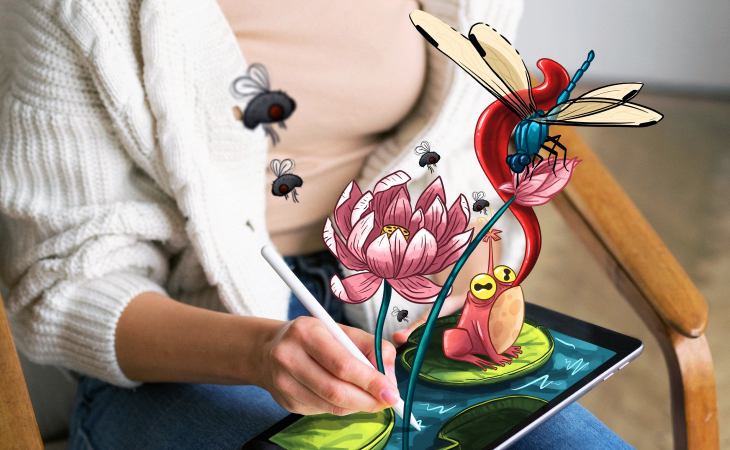
A successful career in Character Concept Art requires more than excellent drawing skills. Studios look for artists who can combine creativity with observation, storytelling, and collaboration throughout the production process.
Technical Skills
- Sketching and digital illustration
- Human and animal anatomy
- Perspective and composition
- Colour theory and lighting
- Character costume and prop design
- Visual storytelling
- Digital art software proficiency
Creative and Professional Skills
- Creative thinking
- Observation and research
- Storytelling
- Problem-solving
- Communication and collaboration
- Adaptability to different art styles
- Portfolio presentation
While software can help artists create digital artwork, the ability to develop original ideas and communicate them visually remains the most valuable skill.
Developing these skills often requires a combination of artistic practice, storytelling, and hands-on projects. Students interested in careers in gaming and entertainment may find it useful to explore Game Art & Design programmes that emphasize portfolio development, character design, and industry-relevant workflows alongside creative fundamentals.
Career Opportunities in Character Concept Art
One of the biggest advantages of specialising in Character Concept Art is the variety of career opportunities available across creative industries.
Some common career paths include:
| Career Role | Primary Responsibility |
|---|---|
| Character Concept Artist | Designs original characters for games, animation, and films. |
| Character Designer | Develops characters for animated productions and entertainment projects. |
| Visual Development Artist | Defines the visual direction of characters and fictional worlds during pre-production. |
| Creature Designer | Designs fantasy creatures, monsters, and fictional species. |
| Game Artist | Creates visual assets that support game production. |
| Freelance Concept Artist | Works with studios, publishers, and independent creators on project-based assignments. |
As entertainment companies continue investing in original intellectual property (IP), professionals who can design distinctive and memorable characters are expected to remain in demand.
Building a Portfolio That Stands Out
A portfolio is often the first thing recruiters evaluate. Instead of focusing only on polished illustrations, demonstrate how you approach the design process.
An effective portfolio should include:
-
- Initial sketches and ideation
- Character exploration pages
Expression and pose sheets
- Costume and accessory variations
- Colour explorations
- Final character presentations
Showing your creative journey helps employers understand how you analyse problems, generate ideas, and refine designs through feedback.
Remember: Studios hire designers who can solve visual challenges, not just produce attractive artwork.
If you’re building your first portfolio, explore our guide on creating a Game design portfolio that reflects your creativity and problem-solving approach.
The Future of Character Concept Art
Emerging technologies are changing how entertainment content is produced, but they are not reducing the need for creative professionals.
AI can generate images quickly, but it cannot replace the creative decisions involved in designing characters that fit a story, connect with audiences, and support a project’s artistic vision.
As gaming, animation, virtual production, and immersive entertainment continue to evolve, artists who combine strong fundamentals with digital tools will be well positioned for future opportunities.
The ability to think creatively, interpret stories, and design meaningful characters will continue to distinguish professional concept artists.
Conclusion
Character Concept Art is much more than drawing imaginative characters. It is a specialised discipline that combines creativity, storytelling, research, and visual communication to shape the characters audiences remember.
From gaming and animation to films and entertainment, concept artists help transform ideas into believable personalities that drive stories forward. Their work influences not only how characters look but also how audiences connect with them emotionally.
For students interested in creative careers, developing strong artistic fundamentals, storytelling skills, and a portfolio that demonstrates original thinking can create exciting opportunities in this growing field. A design education that combines practical projects, industry exposure, and portfolio development can provide a strong foundation for pursuing a career in Character Concept Art.
FAQs
1. Is Character Concept Art a good career choice?
Yes. it offers opportunities across gaming, animation, films, publishing, and entertainment. As studios continue creating original content, the demand for artists who can design compelling characters is expected to remain strong.
2. Do Character Concept Artists only work in gaming?
No. They also work in animation, films, comics, advertising, publishing, collectibles, and emerging media such as AR and VR, making it a versatile creative career.
3. What skills are most important for Character Concept Art?
Drawing, storytelling, observation, and visual communication are the most important skills. Understanding anatomy, colour, composition, and character psychology further strengthens a designer’s ability to create believable characters.
4. Can I become a Character Concept Artist after Class 12?
Yes. Students can begin by pursuing a design programme that develops drawing skills, digital art, storytelling, and portfolio-building through practical projects.
5. Does AI reduce career opportunities for Character Concept Artists?
No. AI supports the creative workflow, but studios still depend on artists to develop original ideas, establish visual direction, and create characters that align with a story and audience expectations.
6. What should I include in a Character Concept Art portfolio?
Focus on your design process as much as the final artwork. Include sketches, character explorations, expressions, costume variations, and clear explanations of your creative decisions to demonstrate your problem-solving abilities.