What Is Creative Technology & Design and Why It’s Shaping the Future of Creativity
Share
Why Creativity Is No Longer Static
What Is Creative Technology & Design? It is the fusion of creativity and advanced technology to build interactive, immersive, and intelligent digital experiences.
The line between “making things look good” and “making things work” has disappeared. Brands no longer want static visuals , they want responsive systems, immersive storytelling, and AI-powered engagement.
From AR filters to generative design and digital worlds built with AI, Creative Technology & Design is driving the next era of human expression. For students and young professionals, it represents one of the most future-ready hybrid career paths available today.
In This Article, You’ll Learn:
- What Is Creative Technology & Design
- Why it is shaping the future of digital creativity
- The key technologies used in this field
- Essential skills required to succeed
- Career opportunities and salary scope in India
- Whether a PG in Creative Technology & Design is worth it
What Is Creative Technology & Design?
Creative Technology & Design is an interdisciplinary field that combines design principles with emerging technologies to create interactive digital systems.
It merges:
- Visual storytelling
- Creative coding
- Artificial Intelligence (AI)
- Augmented Reality (AR)
- Virtual Reality (VR)
- Extended Reality (XR)
- Internet of Things (IoT)
Unlike traditional design, which focuses on static outputs, Creative Technology & Design focuses on building dynamic, responsive, and immersive experiences.
Core Pillars of Creative Technology & Design
1. Art Meets Code
Programming becomes a creative medium. Designers use code to build generative visuals, interactive platforms, and evolving digital systems.
2. Experience-First Design
The focus shifts from appearance to behavior , how users feel, interact, and respond in digital or spatial environments.
3. Emerging Technology Integration
Professionals work with AI, XR, spatial computing, and IoT to solve real-world brand and user challenges.
4. Strategic Digital Innovation
Creative technologists design adaptive systems that evolve with technology and user behavior.
The Evolution of Creativity: From Traditional Design to Tech-Driven Innovation

Design has evolved from static layouts to interactive ecosystems.
Earlier, a designer’s role ended when a file was delivered. Today, digital experiences are living systems that respond to user input and data.
Why This Shift Is Happening
- Rise of Interactive Experiences
- AI as a Creative Collaborator
- Demand for Authentic Experiences
Motion and interaction significantly improve engagement compared to static visuals.
AI tools now assist in ideation, prototyping, and content generation, allowing designers to focus on strategy and innovation.
As automation increases, human-centered design ensures emotional depth and originality in digital products.
Creative Technology & Design bridges imagination and execution.
Key Components of Creative Technology & Design
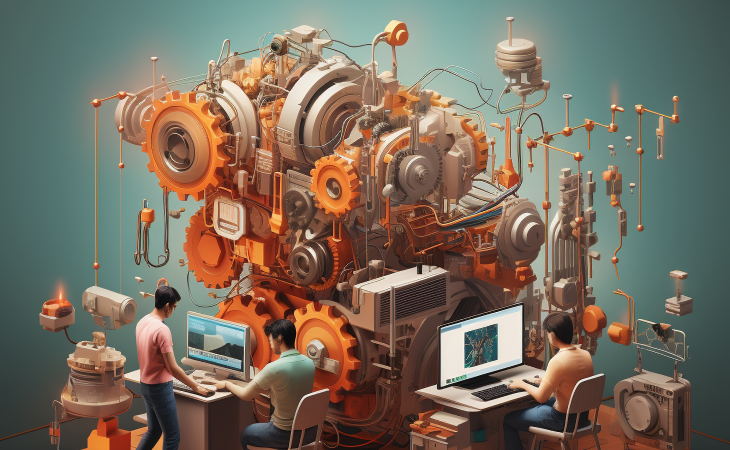
To build expertise in this field, professionals must understand both creative and technical foundations.
1. Creative Coding & Generative Design
Using languages like JavaScript, Python, and Processing, designers create systems that evolve based on user input or data.
2. Interaction & Experience Design (UX/UI)
This goes beyond interface design. It includes designing how users interact with digital environments across devices and spaces.
3. Immersive Media (AR/VR/XR)
AR and VR are transforming industries such as retail, gaming, education, and healthcare by enabling immersive brand and learning experiences.
4. AI in Design & Digital Innovation
AI enhances workflow efficiency, personalization, and large-scale creative experimentation.
5. Physical Computing & Experimental Media
This connects digital systems with physical environments using sensors and IoT-enabled devices.
Why Creative Technology & Design Is the Future of Careers

Digital transformation across industries is increasing the demand for hybrid professionals who understand both creativity and technology.
For students unsure about which specialization to choose, exploring the best courses after graduation in creative fields can help you understand how Creative Technology compares with other emerging design careers.
Creative Technology & Design professionals are needed in:
- Luxury & Fashion (Virtual shows, AR fitting rooms)
- Gaming & Entertainment (Interactive storytelling)
- Tech Startups (AI-driven digital products)
- Digital & Experience Agencies (Immersive campaigns)
- Healthcare (3D simulations and training tools)
As businesses become more experience-driven, this field offers long-term career relevance and growth.
Skills Required to Succeed in Creative Technology & Design
You do not need to be an advanced engineer, but you need a strong problem-solving mindset.
- Creative Problem-Solving , Building technology-led solutions.
- Design Thinking , Understanding user behavior and empathy-driven design.
- Prototyping & Experimentation , Rapid testing and iteration.
- Collaboration , Working across design and tech teams.
- AI Literacy , Understanding prompt engineering and AI workflows.
Shape Your Future: PG in Creative Technology & Design
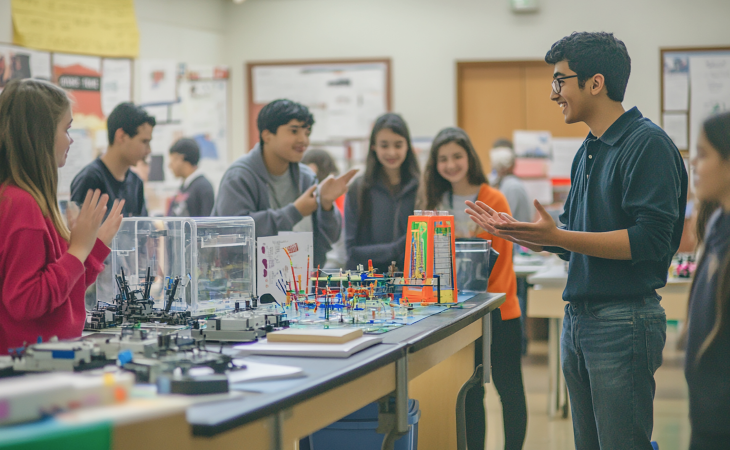
Developing these hybrid skills independently can be challenging. Structured education accelerates learning.
The Postgraduate Programme in Creative Technology & Design at École Intuit Lab is designed to prepare students for emerging digital careers.
Why Choose École Intuit Lab?
- International Pedagogy
- Industry-Integrated Learning
- Focus on Emerging Technologies
- Mandatory Industry Internship
With French heritage and global exposure, students experience international design standards.
A project-based curriculum simulates real-world agency and studio environments.
Hands-on experience in AR, VR, AI-driven systems, and digital innovation frameworks.
A 3–6 month internship ensures practical exposure before graduation.
Who Can Apply?
- Design graduates
- Engineers with creative interests
- Tech-savvy artists
- Professionals seeking hybrid digital careers
Ready to Lead the Next Wave of Innovation?
If you see yourself building immersive digital experiences and working at the intersection of creativity and technology, this is the right time to act.
Explore the PG in Creative Technology & Design
Apply now and begin your journey in digital innovation.
Career Opportunities After a PG in Creative Technology & Design

Graduates can pursue roles such as:
- Creative Technologist
- Experience Designer
- Immersive Experience Designer
- Digital Innovation Strategist
- UX/UI Director
In India, entry-level salaries typically range between ₹4–8 LPA and grow significantly with expertise and portfolio strength.
Conclusion: Ready to Shape the Future?
What Is Creative Technology & Design? It is the discipline that merges imagination with emerging technologies to create the future of digital experiences.
Instead of choosing between design and technology, this field allows professionals to master both.
For students aiming to build future-ready careers, Creative Technology & Design offers innovation, growth, and long-term relevance in an increasingly digital world.
FAQs
1. What Is Creative Technology & Design?
Creative Technology & Design is a multidisciplinary field combining design, AI, coding, and immersive technologies to create interactive digital experiences.
2. Is Creative Technology & Design a good career in India?
Yes. With growing demand in gaming, advertising, startups, and tech companies, it offers strong career opportunities.
3. What skills are required for Creative Technology & Design?
Creative thinking, basic coding knowledge, UX understanding, AI literacy, and strong problem-solving skills.
4. What is the salary of a Creative Technologist in India?
Entry-level salaries typically range between ₹4–8 LPA and increase with specialization and experience.
5. Who can pursue a PG in Creative Technology & Design?
Design graduates, engineers, and creative professionals interested in emerging digital technologies can apply.


