Designing Courses After Graduation: How to Choose the Right One for You
Share

The best design courses after graduation are specialised postgraduate programs in Advertising & Digital Design, UI/UX Design, and Creative Technology. These programs focus on portfolio development, real-world industry projects, strategic thinking, and advanced digital tools, helping students transition into high-demand creative careers with strong salary potential and global opportunities.
Design courses after graduation are structured postgraduate programs designed to help students move into professional creative fields such as advertising, digital branding, UI/UX design, visual communication, and creative technology. Unlike general degrees, these programs prioritise industry integration, technical mastery, live briefs, and portfolio development.
Choosing the right postgraduate design program depends on aligning your creative strengths with current industry demand, salary trends, and long-term professional goals.
In This Article, You’ll Learn:
- Which design courses after graduation offer the best career growth
- How to choose between Advertising, UI/UX, and Creative Technology
- Salary expectations after a PG in design
- Whether postgraduate design programs are worth it in 2026 and beyond
Why the Demand for Postgraduate Design Programs Is Rising
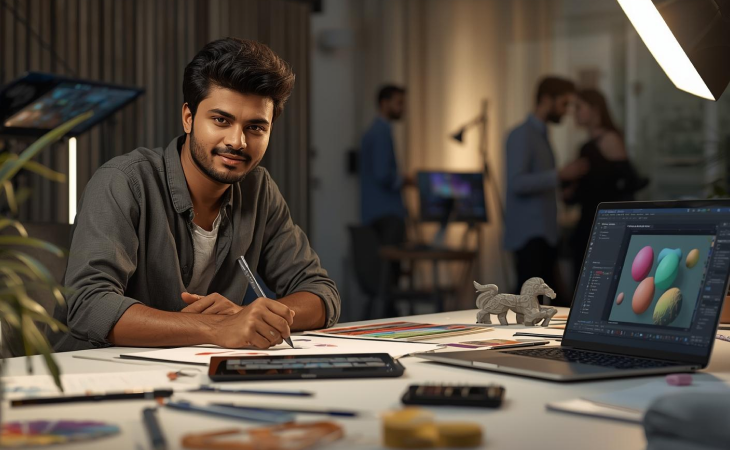
The global career landscape has transformed. Design is no longer a supporting function , it is a strategic growth driver.
Businesses today invest heavily in:
- Digital product design
- Brand identity systems
- UI/UX for fintech and SaaS platforms
- Immersive AR/VR experiences
- Performance-driven digital campaigns
Design careers today are not about aesthetics alone. They focus on solving complex business problems through human-centric thinking, data insights, and technology integration.
With startups scaling rapidly and global tech firms expanding across India, the demand for industry-ready designers has surged. According to recent hiring trend reports across major job platforms in India, UI/UX and digital product design roles have seen consistent growth of over 25–35% in the past few years.
Entry-level salaries for UI/UX Designers in India typically range between ₹5–8 LPA, while experienced professionals and creative technologists can earn ₹12–25 LPA or more, depending on expertise and location.
This explains the growing popularity of postgraduate design courses after graduation , they bridge the gap between academic education and professional industry standards.
What Should You Consider Before Enrolling in a PG Design Program?

Choosing a postgraduate path is a significant investment of time and resources. To ensure you’re making the right move, evaluate these six critical pillars:
1. Define Your Career Goals
Are you more inclined toward the storytelling aspect of branding and advertising, or does the logic-driven world of digital media and UI/UX excite you? Knowing whether you want to become an Art Director, UI/UX Designer, or Creative Technologist will narrow down your search among the best design courses after graduation.
2. Depth of the Curriculum
Generic theory won’t get you hired. Look for a curriculum that offers deep dives into real-world projects. Does the course cover design thinking, strategy, user research, prototyping, branding systems, and the latest digital tools?
3. Access to Industry Mentorship
In the creative world, who you learn from is as important as what you learn. Programs that provide direct access to working professionals offer insights that textbooks simply cannot replicate.
4. Focus on Portfolio Development
In design, your degree may get you the interview, but your portfolio gets you the job. Ensure the program is structured to help you build a professional-grade body of work that showcases strategic thinking and real-world problem solving.
5. Global Exposure
Design is a universal language. Choosing an institution with an international perspective or global pedagogy ensures your skills are transferable to markets in London, Paris, New York, or emerging global creative hubs.
6. Location & Networking Opportunities
Being in a creative hub like Mumbai or Bangalore provides a distinct advantage. Proximity to agencies, startups, and tech companies translates to better internships, networking, and placement exposure.
Why a PG in Design Offers Better Career Growth than a General Degree

Many students ask: “Can’t I just learn design through YouTube?”
While self-learning is useful for building foundational skills, postgraduate design programs provide the structured ecosystem needed for high-level professional growth.
A specialised PG degree offers:
- Specialisation vs. Generalisation: Move beyond basic software knowledge to mastering Brand Strategy, Experience Design, or Creative Technology.
- Structured Industry Exposure: Internships and live briefs are embedded into the curriculum.
- Professional Network: Study alongside future creative leaders while learning from current industry experts.
- Advanced Infrastructure: Access to high-end labs, premium design tools, and collaborative studio environments.
Professional designing courses after graduation, like Ecole Intuit Lab, help students transition from creative learners to industry-ready professionals prepared for competitive global markets.
Introducing Ecole Intuit Lab: Where Creativity Meets Strategy

If you are serious about building a long-term career in design, the institution you choose plays a defining role. At Ecole Intuit Lab, we don’t just teach design; we cultivate creative intelligence and strategic thinking.
Our Featured Postgraduate Programs:
- Postgraduate Advertising & Digital Design: Ideal for mastering brand strategy, art direction, and digital campaign creation.
- Postgraduate Creative Technology & Design: A future-forward program focusing on UI/UX, interactive design, and innovation-led solutions.
- Postgraduate in Creative Technology , Mumbai: An intensive program based in India’s creative capital, focusing on advanced digital practices and deep industry integration.
Why Choose Us?
Our international design pedagogy follows a portfolio-first approach. With a strong alumni network and a curriculum led by industry professionals, we bridge the gap between academic learning and global professional standards.
Ready to Start Your Journey in Design?
The creative economy is expanding rapidly, and companies are actively seeking designers who combine creativity with strategic thinking and technological fluency.
Which Career Roles Can You Pursue After a PG in Design?

Completing one of the best design courses after graduation opens up diverse, specialised career paths.
| Role | Responsibility |
|---|---|
| UI/UX Designer | Crafting seamless digital experiences for apps and websites. |
| Art Director | Overseeing the visual style and imagery in campaigns and publications. |
| Brand Designer | Developing the visual identity and brand systems of companies. |
| Creative Technologist | Blending coding and design to create interactive experiences. |
| Visual Communication Specialist | Using graphic design to inform, persuade, and engage audiences. |
With the rapid growth of startups and global tech firms, salary potential and freelance opportunities in these roles continue to rise significantly.
Are Design Courses After Graduation Worth It in 2026?
Yes , especially if the program emphasises portfolio development, industry exposure, and strategic design thinking.
As technology evolves and digital ecosystems expand, companies prioritise designers who can think critically, solve business challenges, and create user-centric experiences. A well-structured postgraduate design program equips you with those capabilities.
Conclusion: Shaping Your Creative Future
Choosing the right design courses after graduation is not just about selecting a program; it is about designing your professional future.
The creative industry evolves rapidly. Technology shifts. Platforms change. Consumer behaviour transforms. To stay relevant, designers must be strategic, adaptable, and innovation-driven.
By enrolling in a postgraduate design program that emphasises portfolio development, industry integration, and global exposure, you future-proof your career and position yourself competitively in the global design landscape.
Invest in your talent. Build a world-class portfolio. Step confidently into the evolving world of creative professions.
FAQs
1. Can I pursue a design course if my graduation was in a non-creative field?
Absolutely. Many successful designers come from backgrounds like engineering, commerce, or science. What matters most is creative aptitude and the willingness to learn design thinking and problem-solving frameworks.
2. Is a portfolio mandatory for admission to PG design courses?
A basic portfolio is often requested to understand your creative thinking process. However, many postgraduate design programs look for potential and originality rather than technical perfection.
3. How long do postgraduate design programs usually last?
Most professional PG programs in design range from 1 to 2 years, depending on the level of specialisation and industry integration.
4. What is the difference between a Master’s in Design and a Professional PG Diploma?
A Master’s degree often focuses more on academic research, whereas a Professional PG program emphasises industry-ready skills, practical exposure, portfolio development, and placement readiness.
5. Will I get the opportunity to work on international projects?
Yes. Through global pedagogy models and international collaborations, students often participate in cross-cultural workshops and industry briefs aligned with global design standards.