What Is Retail Interior Designing? An Introduction for Beginners
Share
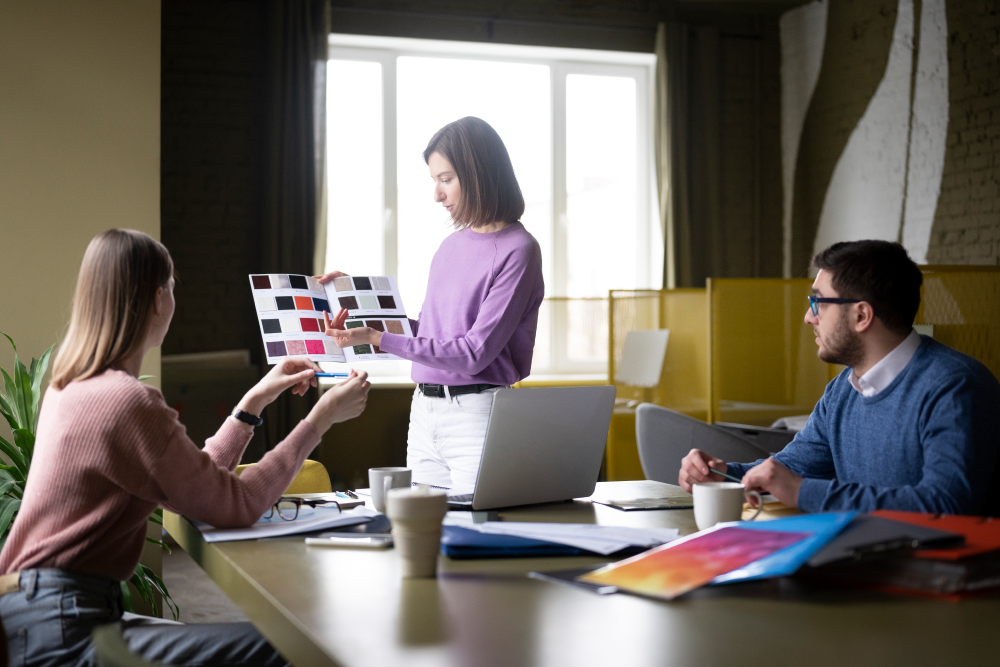
Have you ever walked into a flagship store and felt like you had stepped into a different world? Perhaps the lighting made you feel calm, or the layout led you effortlessly toward a product you didn’t even know you wanted. This isn’t magic, it’s Retail Interior Design.
For beginners and students exploring the creative arts, retail design represents a powerful intersection of psychology, business, and architecture. In this guide, we will break down what retail interior design is, why it is the backbone of the modern shopping experience, and how you can turn this passion into a professional career.
What Is Retail Interior Design?
Retail Interior Design is the strategic planning and design of commercial retail spaces, such as stores, showrooms, and boutiques to enhance customer experience, strengthen brand identity, and increase sales through layout, lighting, materials, and visual storytelling.
Is Retail Interior Design Only About Aesthetics or More Than That?
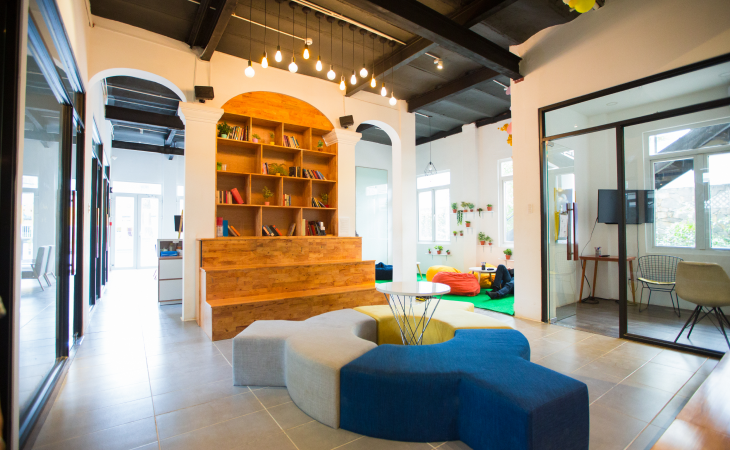
At its simplest level, Retail Interior Design is the practice of designing commercial spaces (like shops, showrooms, and boutiques) to optimise the customer journey and maximise sales.
However, it is much more than “decorating” a store. It is a strategic discipline. While residential design focuses on the comfort and lifestyle of a homeowner, retail design is about commercial performance. A retail designer must ask: How does this shelf influence a customer’s decision? How does this walkway control the speed of a shopper?
The Core Objectives of Retail Design
- Encourage Sales: Every design choice should ultimately lead to a transaction.
- Enhance Brand Identity : The space must act as a physical “billboard” for the brand.
- Optimise Space: Ensuring that both staff and customers can move efficiently.
- Drive Loyalty: Creating an atmosphere that makes people want to return.
Related: What Is an Interior Design Course?
What Are the Essential Elements of Retail Interior Design?
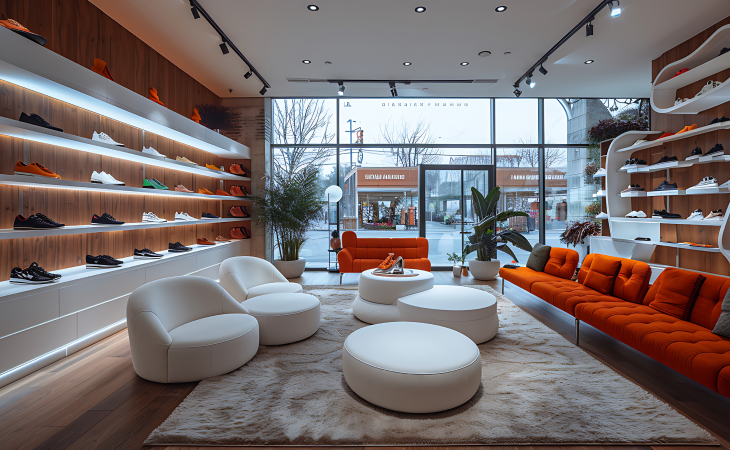
To master the art of retail spaces, one must understand the fundamental building blocks that designers use to influence behaviour.
A. The Store Layout (The “Map”)
The layout is the foundation. It dictates the “flow” of traffic. If the layout is confusing, customers leave. If it’s too simple, they might miss half the products.
| Layout Type | Best For | Description |
|---|---|---|
| Grid Layout | Supermarkets / Pharmacies | Maximizes product display, highly predictable and efficient. |
| Loop (Racetrack) | Department Stores / IKEA | Leads customers on a single path through the entire store. |
| Free-Flow | Luxury Boutiques | Encourages wandering and browsing with no set path. |
| Diagonal | Electronics / Small Shops | Provides better visibility for staff to monitor the floor. |
B. Lighting Design
Lighting is the “mood maker” of retail. It isn’t just about visibility, it’s about focus.
- Ambient Lighting: The general light that makes the store comfortable.
- Accent Lighting: High-intensity beams used to highlight “hero products” or luxury items.
- High-Contrast Lighting: Often used in high-end stores to create a sense of drama and exclusivity.
C. Visual Merchandising (VM)
Visual merchandising is the art of displaying goods. It includes everything from the window display that draws you in from the street to the “Point of Purchase” (POP) displays near the cash register that encourage last-minute impulse buys.
How Does Retail Interior Design Influence Customer Behaviour and Experience?

In the era of 2026, where online shopping is a click away, physical stores must offer something the internet cannot, Experience.
The Decompression Zone
This is the first 5 to 15 feet of space inside the door. Customers are transitioning from the busy outside world. A good retail designer keeps this area open and “breathable.” If you put too many products here, the customer feels overwhelmed and rushes past them.
The “Power Wall”
Statistically, 90% of customers turn right immediately after entering a store. The wall to the right of the entrance is known as the Power Wall. This is where designers place high-margin items, new collections, or the “story” of the brand, as it is the most viewed area of the shop.
Sensory Branding
Retail design isn’t just visual. It involves:
- Scent: Think of the smell of fresh coffee in a bookstore or “new car smell” in a showroom.
- Sound: Upbeat music for fast-fashion stores to keep energy high, ambient sounds for luxury spas.
- Touch: Allowing customers to pick up and feel the weight of a product (a tactic famously used by Apple).
How Does Retail Interior Design Support Brand Identity?
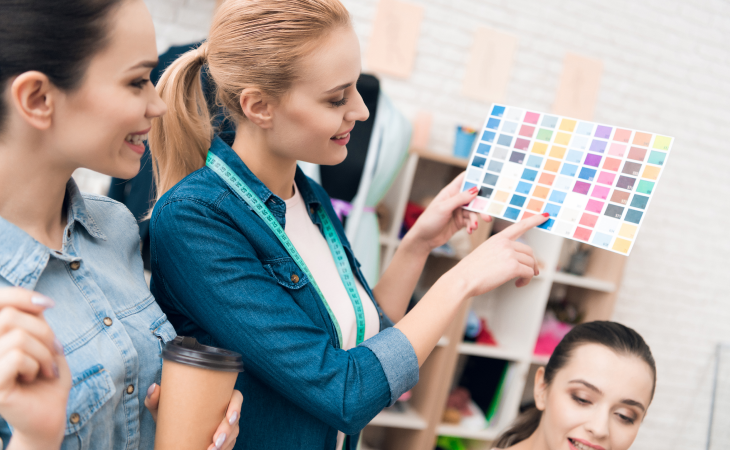
In retail, the store is the brand. If a brand claims to be “sustainable and organic,” but the store is filled with plastic fixtures and harsh fluorescent lights, the customer will feel a “brand disconnect.”
Successful brand-integrated design involves:
- Consistent Colour Palettes: Using brand colors in subtle ways across textures and furniture.
- Materiality: Using raw wood for “natural” brands or polished steel for “tech” brands.
- Storytelling: Using wall graphics or digital screens to explain the brand’s history or mission.
What Are the Latest Retail Interior Design Trends in 2026 and Beyond?
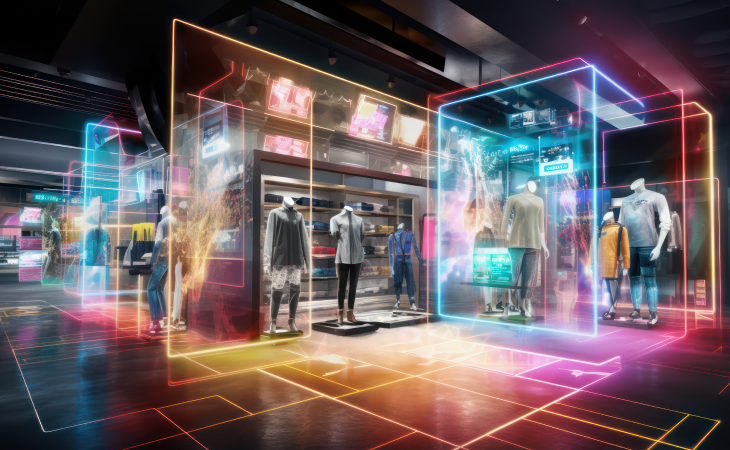
The industry is currently undergoing two major shifts, Phygital Integration and Extreme Sustainability.
The “Phygital” Store
“Phygital” is the blend of Physical and Digital. Modern retail designers are now integrating:
- Smart Mirrors: In fitting rooms that allow you to request a different size via a touchscreen.
- AR (Augmented Reality): Where customers can see how furniture would look in their house while standing in the middle of the showroom.
- AI Analytics: Using heat-mapping sensors to see which parts of the store are “cold” (unvisited) and redesigning them to be more attractive.
Sustainability and the Circular Economy
Designers are moving away from “fast-interiors.” In 2026, the focus is on:
- Modular Fixtures: Shelving units that can be moved and reused rather than thrown away.
- Eco-Materials: Using mushroom leather, recycled plastics, and low-VOC paints to ensure the store has a minimal carbon footprint.
Also Read: Interior Design Careers Beyond Home Interiors: Corporate, Retail & More
How Can You Start a Career in Retail Interior Design?
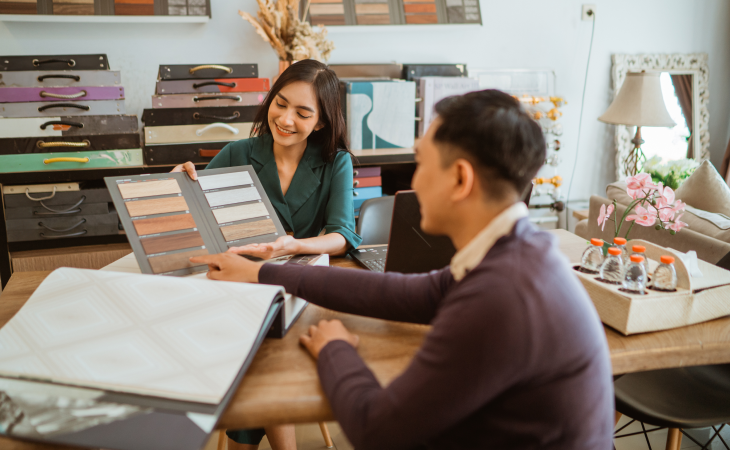
If you find yourself analyzing the layout of every shop you enter, you might be a natural retail designer. This career requires a blend of creative vision and technical precision. You need to be able to sketch a beautiful concept but also understand the technicalities of building codes, ergonomics, and material durability.
Why Choose This Specialization?
Retail design is one of the most dynamic sectors of the design world. Unlike a house, which stays the same for years, retail spaces are constantly being “refreshed” or “reimagined.” This means there is a constant demand for fresh talent and innovative ideas.
Elevate Your Career with Ecole Intuit Lab
Choosing the right educational partner is the most critical decision for any aspiring designer. Ecole Intuit Lab provides a bridge between artistic theory and the practical demands of the global industry through its comprehensive 4-year undergraduate program in Retail and Interior Design.
| Feature | Details |
|---|---|
| Degree Name | Bachelor Programme in Retail and Interior Design |
| Duration | 4 Years (Undergraduate) |
| Core Philosophy | Creative Intelligence: Merging digital tech with physical spaces |
| Learning Model | Hands-on studio work + Industry-led theory |
Why This Programme Stands Out
- Phygital-Focused Curriculum: Designed for the retail landscape of 2026
- International Exposure: French-rooted design education with global relevance
- Industry Mentorship: Workshops led by active design professionals
- Real-World Experience: Two mandatory internships on live retail projects
- Professional Portfolio: Graduate with industry-ready retail case studies
By graduation, students don’t just earn a degree, they gain the confidence and skills to design future-ready retail environments.
Ready to Build Your Future?
Don’t just observe the world of design, lead it. Take the first step toward a global career in design with a curriculum built for the innovators of tomorrow.
Apply Now to Ecole Intuit Lab and turn your creative vision into a professional reality.
Conclusion: Designing the Future of Commerce
Retail interior design brings brand values to life through thoughtfully crafted physical spaces. By combining strategy, psychology, sustainability, and creative thinking, it shapes meaningful interactions between people and their surroundings.
Looking ahead into 2026, the shift toward immersive, human-focused environments is set to grow even stronger. For students exploring future careers or beginners discovering the influence of design on everyday experiences, this field presents a dynamic space where creativity and commerce naturally converge.
FAQs
1. What is the scope of retail interior designing in India?
The field offers strong growth opportunities due to the expansion of organised retail, branded outlets, shopping centres, and experience-focused physical stores in both major cities and developing urban areas.
2. What qualifications are required to become a retail interior designer in India?
Students usually begin with a formal design degree after completing their 12th standard, followed by practical exposure through studio work, live projects, or internships.
3. What is the average salary of a retail interior designer in India?
Earnings typically depend on experience, portfolio quality, and the type of organisation, with entry-level professionals earning moderate packages that increase steadily over time.
4. Is retail interior design different from interior design?
This specialisation prioritises user flow, visual storytelling, and commercial performance, whereas the broader discipline also includes homes and non-commercial environments.
5. Which course is best for retail interior designing in India?
A focused undergraduate programme that combines design fundamentals with real-world industry exposure is well suited for students planning to enter this domain.


