Future-proof your career: Why a digital design course is mandatory now.
Share
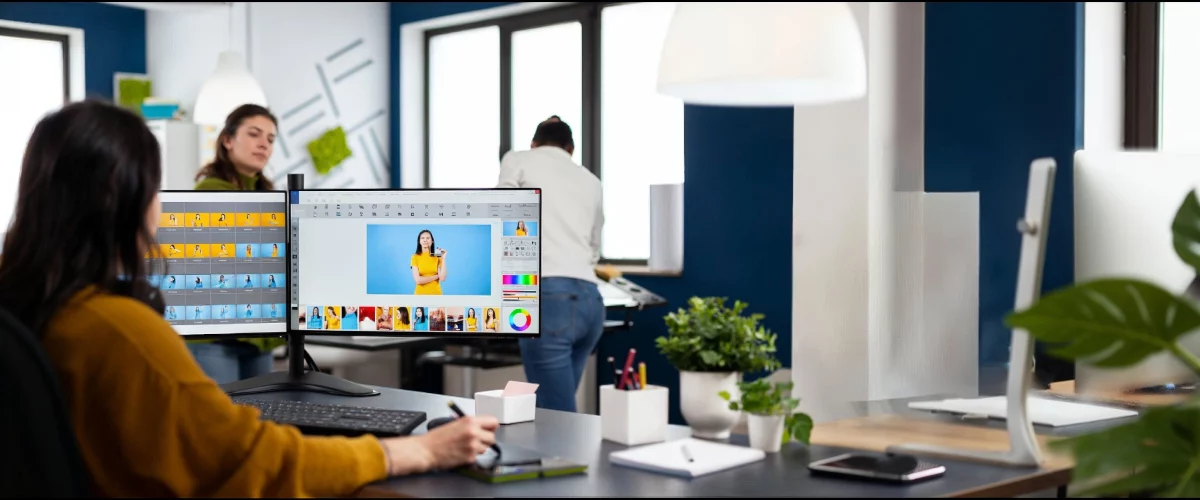
The world runs on screens. From the apps we tap every morning to the websites we browse for work, every digital interaction is a product of design. This massive shift has created a monumental demand for tech-creative skills, making Digital Product Design one of the most essential and lucrative career paths of the decade.
If you’re eager to enter the high-growth technology sector but feel intimidated by the complexity of hard programming, a comprehensive Digital Design course is your mandatory bridge. It allows you to shape the future of technology by focusing on the human experience, the part that truly matters.
The Bridge to Tech: Why Digital Design is Perfect for Non-Coders

For years, a tech career seemed synonymous with writing thousands of lines of code. Today, the most valuable skills often lie in strategy, psychology, and visual communication. This is why Digital Design course, particularly focusing on UX/UI, offers a powerful entry point for creative minds.
Instead of needing to code a product, you learn to design it. You become the critical link between the user’s needs and the engineer’s code. You focus on questions like: How does a user feel when they interact with this product? Is it intuitive? Is it useful?
This high demand for designers who can manage the entire digital product life cycle makes the role incredibly secure and essential for any modern business.
Essential Skills: Mastering UX/UI and Interface Creation

A cutting-edge Digital Design course moves far beyond basic graphic design. It trains you in the strategic and technical skills required to build functional, engaging digital products, with a heavy emphasis on User Experience (UX) and User Interface (UI).
1. User Experience (UX) Design
UX is the art and science of ensuring a digital product is easy and enjoyable to use.
Core skills you will master include:
- User Research:
Learning to identify customer pain points, conduct interviews, and analyze data to form the foundation of your design. - Information Architecture (IA):
Structuring content logically so users can navigate an app or website intuitively. - Wireframing & Prototyping:
Creating low-fidelity blueprints and interactive mock-ups to test designs rapidly before a single line of final code is written.
2. User Interface (UI) Creation (Little to No Coding)
UI is the visual layer, the look, feel, and interactivity of the product.
This is where your creative vision takes shape, focusing on visual design principles and technical execution.
- Visual Hierarchy:
Using typography, color, and spacing to guide the user’s eye and communicate importance. - Interactive Design:
Crafting micro-interactions and animations (Motion Design) that make the interface feel responsive and alive. - Design Systems:
Building reusable components to ensure consistency across large digital products.
The modern designer uses tools like Figma, Sketch, and Adobe XD, which are dedicated to design and prototyping,
rather than traditional code editors.
Inside the Syllabus: What You Actually Learn
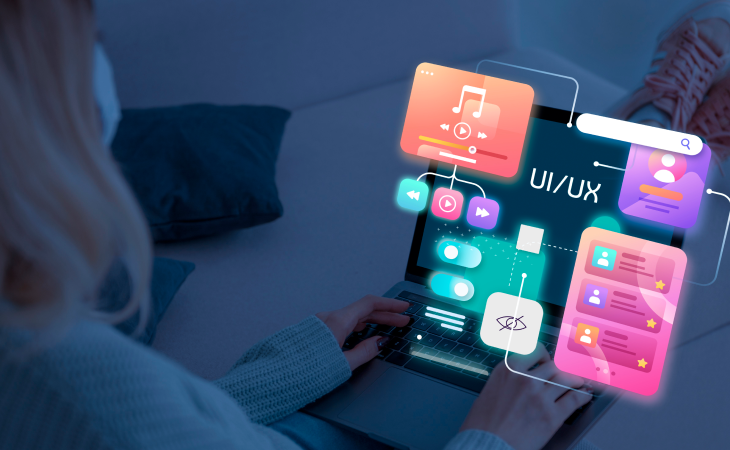
A comprehensive Bachelor’s Program in Digital Product Design program, such as the one offered by École Intuit Lab, provides a structured four-year journey that covers the entire spectrum of product creation.
The curriculum is designed to transform creative thinkers into functional, problem-solving designers:
| Year/Lab | Primary Focus | Key Subjects |
|---|---|---|
| Lab 1 (Foundation) | Conditioning the mind for empathy and observation. | Analytical Drawing, Storytelling, Introduction to Interaction, Human Sciences. |
| Lab 2 (Principles & Techniques) | Mastering visual communication and design elements. | UX Design, UI Design, Interactive Design, Typography on the web, Digital Culture. |
| Lab 3 (Digital Explorations) | Creating frameworks and working on front-end/back-end concepts. | User Research, Content Strategy, Motion Design, Technical Understanding, 3D Blender. |
| Lab 4 (Interfaces as Products) | Innovation and professional application. | Advanced UX/UI Design, Creative Tech, Portfolio & Personal Branding, Grand Project. |
The program ensures students are equipped with conceptual and technical training to manage the entire digital product life cycle, preparing them for real-world projects through mandatory internships and international workshops.
Launch Your Future: Lucrative Career Opportunities in Digital Design

Graduates in Digital Design enter the workforce prepared for some of the most lucrative and in-demand design careers in the world. The blend of creative strategy and technical knowledge makes these roles essential across nearly every industry, from FinTech to HealthTech, E-commerce, and entertainment.
Potential career paths include:
- UX Designer/UX Strategist: Focused on research, user flows, and improving overall user satisfaction.
- UI Designer/Interface Designer: Focused on the visual and interactive elements of a product.
- Digital Product Designer: A hybrid role responsible for the end-to-end design of a digital product, from concept to launch.
- Content Strategist: Focused on defining the voice, tone, and delivery of content within the digital product.
- Motion Designer: Specializing in the animations and dynamic elements of a user interface.
By choosing a Digital Product Design course, you are not just learning a skill; you are acquiring the language of modern technology and future-proofing your career in an ever-evolving digital landscape.
Ready to Design Your Future?
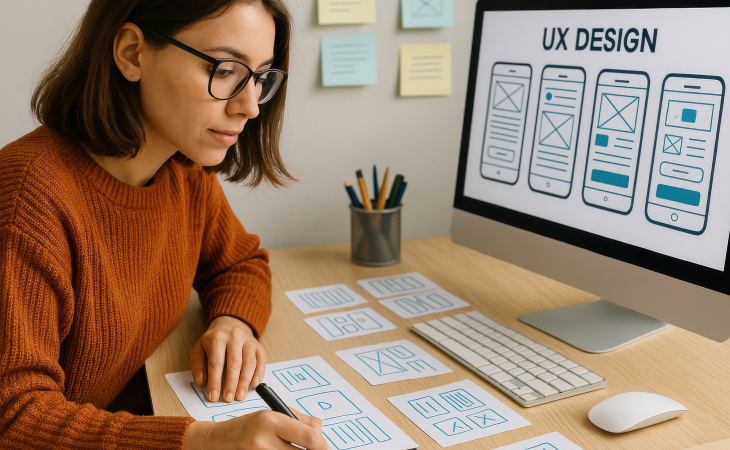
The demand for UX/UI Designers and Digital Product Specialists is soaring. Stop coding your way into tech and start designing your way in.
École Intuit Lab offers the creative path to a high-demand career, transforming your passion into professional power.
Take the first step toward a lucrative, future-proof career!
Apply now and secure your spot in the next cohort.
Don’t wait for the future to happen—design it!
FAQs
1. What design software or tools will I become proficient in during the course?
You will master industry-standard tools like Figma (for UI/UX), Adobe Photoshop/Illustrator, and 3D software like Blender.
2. Is there any specific background or portfolio needed to apply for this course?
While a passion for creativity is key, many institutions require a creative intelligence test and may assess any existing personal portfolio or creative work.
3. How does this degree prepare me for freelance or remote work opportunities?
The focus on digital product creation and portfolio development prepares you to work remotely as an independent designer for global clients.
4. Will the curriculum cover new and emerging technologies like AR/VR interface design?
Yes, advanced Digital Design programs often include modules on Creative Tech and designing user experiences for immersive environments like AR/VR.