What is Game Art and Design, and How Can You Build a Career in It?
Share

From Gamer to Creator
Do you spend hours analysing the stunning environments of Elden Ring, admiring the seamless animations of Spider-Man, or thinking up cooler designs for the characters in your favourite RPG? If your passion for video games extends beyond the screen and into the realm of creativity and visual design, you’re standing at the starting line of one of the most exciting game development careers today, Game Art and Design.
The gaming industry is no longer a niche market; it is a global powerhouse constantly hungry for fresh talent. For 12th-grade students who love gaming and possess a flair for art, this field offers a unique path to turn their hobbies into a professional, highly rewarding career. This guide will unpack exactly what this field entails, the specialised game design courses after 12th you need to master, and how to start building your professional future right now.
Game Art and Design is the specialised field responsible for creating all the visual and experiential elements in a video game, from the initial concept art for games to the final rendered 3D environments. It is a fusion of creative digital art for games encompassing illustration, 3D modelling, and animation with technical skills related to gameplay mechanics, visual storytelling in games, and real-time engine integration. Pursuing a dedicated undergraduate program is the fastest route to acquiring the essential professional game artist skills needed for high-demand gaming industry jobs globally.
What is Game Art and Design, really?
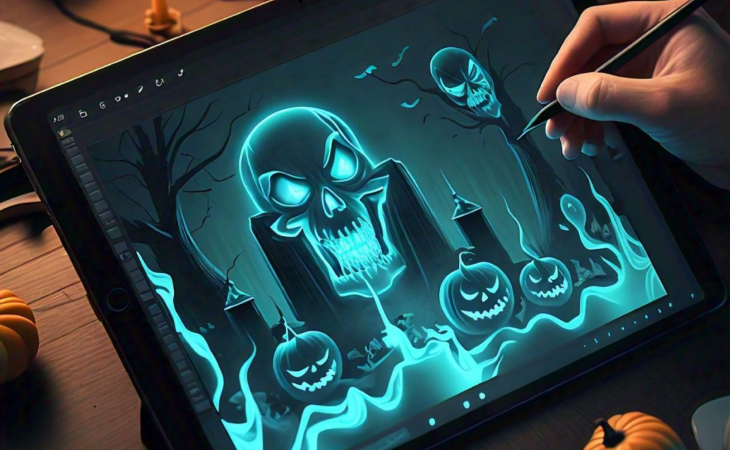
Many aspiring professionals confuse Game Art with Game Design, but they are distinct yet deeply interconnected disciplines:
Game Art: The Visual Experience
Game Art is purely about the aesthetic components. A Game Artist is a visual communicator whose job is to translate the director’s vision into tangible assets. This role covers everything the player sees, from a stylised weapon to a sprawling cityscape. Key focuses include:
- 2D and 3D Game Art: The creation of textures, digital illustrations, and the fundamental polygon structures that define characters and objects.
- Video Game Graphics Design: Ensuring the overall visual fidelity, lighting, color palettes, and optimisation of assets for smooth gameplay performance.
Game Design: The Interactive Experience
Game Design focuses on the non-visual, interactive elements, the mechanics, rules, level structure, and overall player experience. A Game Designer defines the physics of the game, the flow of the narrative, the challenges, and the reward systems. They are the architects of the player’s emotional journey.
The best modern game studios require professionals who understand both sides, artists who know how their assets affect gameplay, and designers who appreciate the visual storytelling in games.
Many students and parents often question whether gaming-related careers are stable or viable after school. These concerns usually arise from common misconceptions about career opportunities in the gaming industry after 12th.
Mastering the Core Skills in a UG Program

The most effective way to secure a position in major gaming industry jobs is through a comprehensive undergraduate (UG) course that integrates theoretical foundations with intensive practical, studio-based learning.
A premier Bachelor’s Programme in Game Art and Design, such as the 4-year program offered by École Intuit Lab in collaboration with industry leaders like Ubisoft, is meticulously designed to transform a creative beginner into an industry-ready professional. These programs often structure learning progressively.
Lab 1: Creative Foundations and Visual Literacy
This foundational year focuses on building core artistic strength. Aspiring game artists for beginners must first master traditional art skills like analytical drawing, perspective, anatomy, and colour theory. Understanding the history of art and cinema is crucial, as is developing strong visual storytelling in games abilities the foundation for every successful game world.
Lab 2: Technical Art and Asset Creation
This is where passion meets the pipeline. Students transition from traditional media to professional software. This phase strengthens 2D and 3D game art skills, introducing students to:
- 3D Modelling and Texturing: Learning to use industry-standard tools for game artists (Maya, Blender, Photoshop) to create props, objects, and foundational environments.
- Character Design in Games: Moving from initial concept sketches to detailed 3D rigging, creating the digital skeleton that allows the character model to move and emote.
- Environment Design for Games: Learning how level design and world building integrate art assets with game logic, using powerful game engine principles (like Unity or Unreal).
Lab 3 & 4: Professional Production and Specialisation
The final years simulate a real game studio environment. The focus shifts to specialized roles and complex, integrated projects. Key advanced skills include:
| Specialisation Area | Advanced Focus | Importance |
|---|---|---|
| Animation & Rigging | Advanced rigging, motion capture integration, cinematic animation, and procedural generation. | Essential for realistic and expressive characters. |
| Game Mechanics & Coding | Learning C# and C++ scripting within game engines to prototype and implement design decisions. | Bridges the gap between Art and Programming. |
| UI/UX Design in Games | Designing intuitive menus, heads-up displays (HUDs), and interface elements that enhance player immersion. | Crucial for player satisfaction and usability. |
| Art Direction | Learning project management, team leadership, and defining the overall style and vision of a game. | Prepares students for senior creative roles. |
If the comprehensive, industry-aligned curriculum and the prospect of learning skills endorsed by global leaders resonate with your future goals, it’s worth exploring institutions that prioritise international exposure and hands-on learning from day one.
Apply now for the Game Art and Design program.
Conclusion: Start Designing Your Destiny
The journey to becoming a professional game artist or designer is challenging, requiring dedication to both art and technology. But for students with an innate love for games and a creative spark, there has never been a better time to enter this industry.
By enrolling in focused game art and design courses that emphasise core artistic skills, hands-on production, and real-world experience, you build the foundation for a dynamic game design career. Start perfecting your game art skills for beginners today, sketch, model, prototype, and build your portfolio.
Your next great adventure is waiting. It’s time to stop just playing worlds and start creating them.
FAQs
1. Do I need to know coding to pursue Game Art and Design?
No, coding knowledge is not required to pursue Game Art and Design. The course focuses first on building strong core art skills, such as visual design, character creation, and environments. Technical tools are introduced gradually, helping students understand how game art integrates with development while clearly distinguishing the role of a game artist from that of a game developer.
2. What skills do I need to start a career in Game Art and Design?
You need creativity, basic drawing ability, imagination, and an interest in games, no prior software knowledge is needed.
3. Is Game Art and Design a good career option after 12th?
Yes, it offers high-growth global opportunities in game studios, animation, VFX, and digital entertainment.
4. What jobs can I get after a Game Art and Design degree?
You can become a Concept Artist, 3D Artist, Character Designer, Animator, Environment Artist, or Game Designer.