Interior Design Careers Beyond Home Interiors: Corporate, Retail & More
Share

Picture an interior designer at work. What do you see?
If you imagined someone fluffing pillows on a plush sofa, choosing curtain fabrics for a master bedroom, or watching an HGTV renovation reveal, you aren’t alone. This is the common perception of the industry.
But here is the reality check: Residential design is just the tip of the iceberg.
For students considering this path or professionals seeking a change, limiting your view of interior design careers to just home decoration is a significant missed opportunity. The interior design industry is a vast, complex, and incredibly lucrative field that shapes the environments where we spend the majority of our waking hours, our workplaces, our favourite shops, hotels, restaurants, and hospitals.
Today, we are busting the myth that interior design is all about domestic bliss. We are diving deep into the dynamic, fast-paced world of commercial interiors, with a special focus on the booming field of retail design.
Let’s expand your horizons.
Interactive Check-In: The “Pop Quiz”
Before we dive in, let’s test your assumptions about the industry. Answer “True” or “False” in your head:
- Interior designers typically work in spaces where people live. (True/False)
- Designing a retail store is easier than designing a kitchen because there’s less plumbing. (True/False)
- Commercial interior design is mostly about picking durable carpet. (True/False)
If you answered “False” to all three, congratulations! If you answered “True” to any of them, keep reading, you are about to discover a whole new world of possibilities.
The Corporate Workplace: Designing for Productivity and Culture

Remember the grey, depressing cubicle farms of the 1990s movies? Thankfully, those are largely obsolete, and we have corporate interior designers to thank.
Corporate design is no longer just about fitting as many desks as possible into a floor plan. It is about strategy, psychology, and branding. Companies like Google, Apple, and even your local startups know that their office environment directly impacts employee retention, productivity, and well-being.
What Corporate Designers Do:
- Space Planning & Strategy: Analysing how teams collaborate and designing “zones” for focused work, meetings, and socialisation.
- Branding: Translating a company’s ethos into a physical space. (e.g., A tech startup’s office feels very different from an established law firm).
- Ergonomics & Wellness: Selecting furniture and lighting that keeps employees healthy during long work hours.
If you love problem-solving on a large scale and enjoy understanding organisational psychology, corporate design is a thrilling career path.
The Spotlight Section: Why Retail Design is Booming

If there is one area of commercial design that is absolutely flourishing right now, it’s retail design.
The “Retail Apocalypse” Myth
You have heard the headlines: “Brick-and-mortar is dead; everyone shops online.” This is misleading. Boring retail is dead. Experiential retail is exploding.
Because people can buy almost anything online, physical stores must offer something a website cannot: an experience. This shift has made retail interior designers more valuable than ever.
Retail Design is the “Silent Salesperson”
A retail designer doesn’t just make a shop look pretty; they manipulate the environment to influence behaviour. Every element is calculated:
- The Layout Loop: How do you guide a customer through the store so they see the maximum amount of merchandise without feeling trapped?
- Lighting as a Tool: High-end jewellery stores use dramatic spotlighting to make diamonds sparkle; supermarkets use bright, cool lighting to make produce look fresh.
- The Instagram Moment: Modern retail designers intentionally create visually stunning corners specifically for customers to take photos and share on social media, free marketing!
Retail design is fast-paced, trend-driven, and deeply psychological. It requires understanding demographics, branding, and the art of persuasion through space. It is one of the most exciting and emerging fields within interior design careers today.
Hospitality & Beyond: The Experience Makers
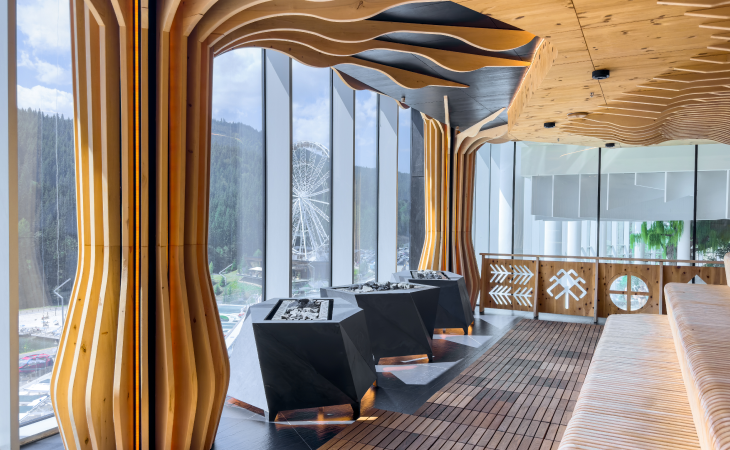
When you walk into a luxury hotel lobby and immediately feel relaxed, or enter a bustling restaurant and feel energised, that is the work of a hospitality designer.
Hospitality Design (Hotels, Restaurants, Spas):
This sector is all about escapism and storytelling. Designers must balance high-impact aesthetics with extreme durability (think thousands of guests per year) and complex operational needs (like commercial kitchen workflows).
Healthcare & Institutional:
This is designed with a noble purpose. Healthcare designers create hospitals and clinics that reduce patient anxiety and improve healing outcomes through evidence-based design, colour theory, and intuitive wayfinding.
Residential vs. Commercial
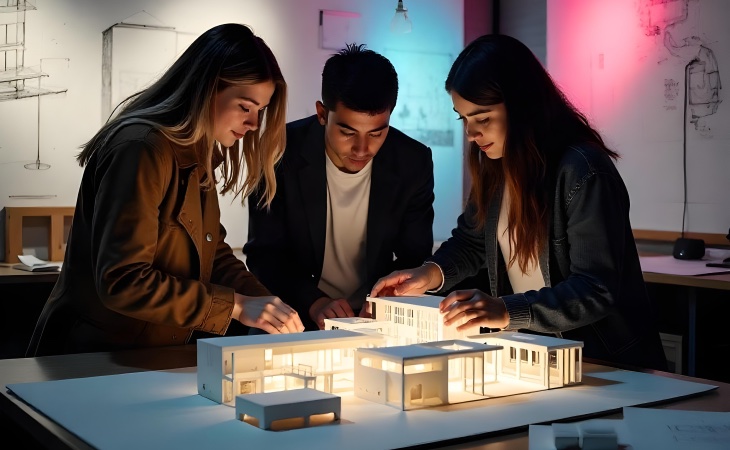
If you are interested in these broader interior design careers, do you need different skills than residential designers? Yes, absolutely.
While the fundamentals of colour, scale, and balance remain the same, commercial designers need a deeper grasp of:
- Material Durability: The flooring in an airport needs to withstand millions of footsteps; residential flooring does not. Commercial designers deal with “contract-grade” materials.
- Branding and Stakeholders: You aren’t designing for one family’s taste; you are designing for a corporation’s brand identity and reporting to boards of directors or facility managers.
Education That Opens Doors: Retail & Interior Design Course at École Intuit Lab

If you want to enter the world of commercial interior design with confidence, formal education can make all the difference.
The Bachelor’s Programme in Retail & Interior Design at École Intuit Lab is a 4-year comprehensive undergraduate program designed to prepare you for the realities of professional design practice. This course blends creative thinking with technical proficiency, spatial intelligence, and real-world engagement, giving you the skills to design meaningful, functional, and commercially relevant spaces in retail, corporate, hospitality, and public environments.
What makes this program exceptional:
- Hands-on learning through studio work and real projects
- Two industry internships for professional experience
- International workshops with global design practitioners
- Exchange opportunities at campuses around the world
- Curriculum that integrates design thinking with practical execution from materials and modelling to advanced spatial strategy and capstone projects.
Whether you aspire to be a retail environment expert or a commercial interior strategist, this degree equips you with market-ready skills and a portfolio that sets you apart.
Explore more about the
Bachelor Programme in Retail & Interior Design
at École Intuit Lab and
apply today
Conclusion: Broaden Your Canvas
If you love design but the idea of mediating arguments between couples over paint colours doesn’t appeal to you, don’t abandon the field!
The world of commercial interiors offers high-stakes projects, the chance to work with major brands, and the opportunity to impact thousands of people daily. Whether you are crafting the next viral retail pop-up shop or designing a futuristic office headquarters, interior design careers stretch far beyond the walls of a home.
What about you? Which area of commercial design sounds most intriguing: the psychology of retail, the strategy of corporate, or the storytelling of hospitality? Share your thoughts in the comments!
FAQs
1. What is retail interior design?
Retail interior design focuses on creating engaging store environments that enhance customer experience and drive sales through strategic layout, lighting, and branding.
2. Is retail and interior design a good career in India?
Yes, with the growth of malls, experiential retail, offices, and hospitality spaces, retail and interior design offers strong career opportunities in India.
3. What skills are required for a career in retail interior design?
Key skills include spatial planning, creativity, understanding consumer behaviour, material knowledge, and proficiency in design software.
4. What is the difference between interior design and retail design?
Interior design covers various spaces like homes and offices, while retail design specifically focuses on commercial spaces that influence buying behaviour.
5. What is the highest paying job in interior design?
Senior roles like retail design strategist, corporate interior designer, hospitality design lead, and design director are among the highest-paying jobs in interior design.