BACHELOR DEGREE Retail and Interior Design
Program Overview
| Category | Details |
|---|---|
| Course Name | Retail & Interior Design |
| Course Level | Bachelor’s Degree |
| Course Duration | 4 Years |
| Course Eligibility | Grade 12 |
| Average Salary | 7 to 9 LPA |
| Areas of Employment |
Interior Architect, Spatial Designer, Retail & Brand Experience Designer, Exhibition & Event Designer, Set & Scenography Designer, Public Space & Urban Experience Designer, Creative Director (Spatial Design), Founder of a Design Studio or Practice |
What is a Bachelor’s Degree in Retail & Interior Design?
The Bachelor’s Degree in Retail & Interior Design is a four-year program that equips students to create meaningful, functional, and experience-driven spaces across retail, commercial, public, and cultural environments. Responding to India’s rapid urban growth and rising design awareness, the course at École Intuit Lab blends creativity, technology, culture, and sustainability, enabling students to rethink how people live, work, shop, and gather while designing spaces that express identity, tell stories, and shape human experiences through hands-on, real-world learning.

2 INTERNSHIPS
Placements in India, Europe and America to gain real-world experience

INTERNATIONAL WORKSHOPS
Conducted by professionals from across the the world, tackling multicultural design problems

EXCHANGE PROGRAMMES
A semester spent at any of the 6 campuses
CURRICULUM
A four year programme, spread across theoretical classes, studio classes, frequent real-world projects and two industry internships prepares students for a creative career.
Lab 1
Foundation Studies
The Foundation Year is the cornerstone of our 4-year Retail & Interior Design program, meticulously designed to cultivate creativity, technical proficiency, and a deep understanding of visual storytelling. This year-long journey equips students with the essential skills and knowledge necessary to excel in the dynamic fields of retail and interior design.
Analytical Drawing + Live Model Sketching + Colour + Creativity + Illustration + Volume + Perspective + Human Sciences + History of Art + Project Week + Environment Design + Sketching + Exterior Drawing + Marker Renderings + Props Design + Anatomy + French + Storyboarding + Storytelling + Introduction to AI + Introduction to Interaction + Mechanics of Games + Visual Expression + Workshop Week
Lab 2
Introduction to Retail & Interior Design
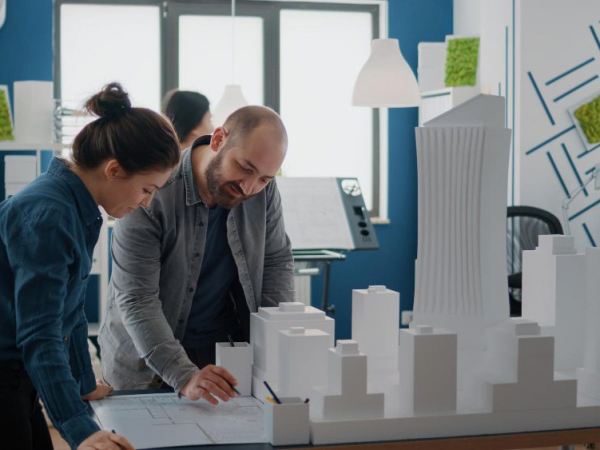
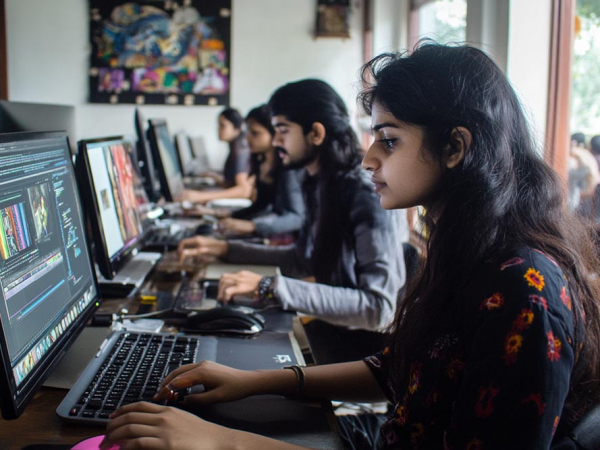
This year introduces the notion of design response to real-world demands: students begin to treat their projects as answers to authentic spatial briefs. The emphasis shifts from personal expression to narrative-driven spatial transformation, where experience design becomes central.
Students explore the language of materials, learn to convey volumes and perspectives through technical drawing and 3D modeling, and develop a sensitivity to the lived experience of space—understanding how each design decision shapes behavior, atmosphere, and identity.
Students explore the language of materials, learn to convey volumes and perspectives through technical drawing and 3D modeling, and develop a sensitivity to the lived experience of space—understanding how each design decision shapes behavior, atmosphere, and identity.
Interior Architecture Studio + Model Making Studio + Technology & Materials + Digital Visualization + 3D Modeling + Drawing & Perspective + Eco-Conception + History of Architecture+Sociology & Marketing
Short internship
1 - 2 months
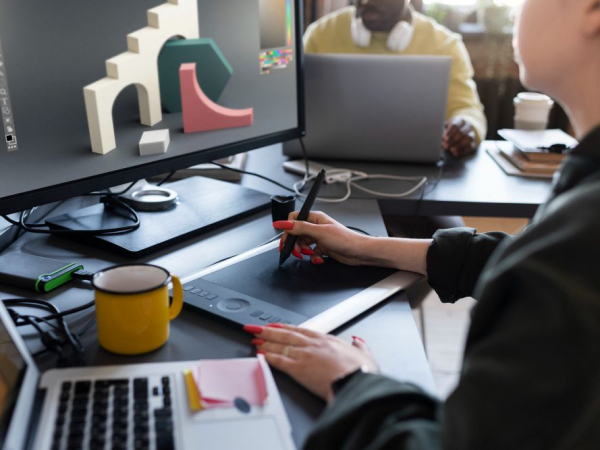
Students gain first immersion into studio practice, contractor work or material research, encouraging observation and active participation in real-world projects.
Lab 3
Shared Space, Social Design & Strategic Thinking
In this year, the student designer engages with complex, multi-user spaces, learning to design for collectivity, inclusivity, and evolving use. From co-living to urban micro-interventions, the designer begins to reimagine life scenarios that address emerging societal and technological contexts. The year also introduces intelligent systems and fabrication technologies, paving the way for responsive spatial thinking.
Interior Architecture Studio + Model Making Studio – Advanced + Technology & Society + Artificial Intelligence & Creation + FabLab + Eco-Production + History of Architecture II + Industry Project (optional)
Lab 4
Spatial Identity, Professional Integration & Innovation
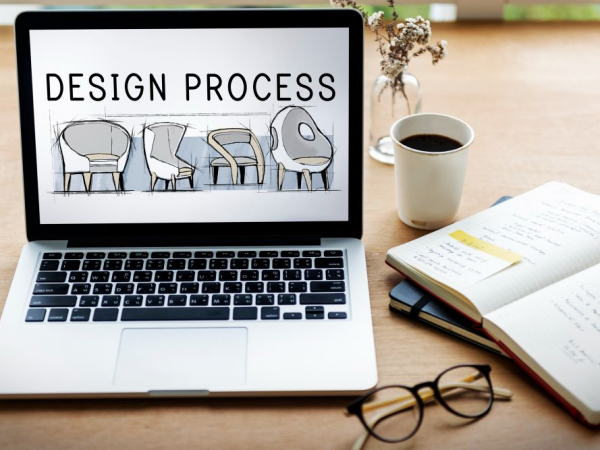
The 4 year is dedicated to independent thinking, innovation, and professional transition. Students tackle complex briefs involving public interface, ephemeral architecture, or hybrid (physical + digital) environments. They are mentored through an intensive capstone project and a 6-month industry apprenticeship—their gateway into the professional world.
Advanced Interior Architecture Studio + Scenography & Ephemeral Spaces + Interactive Space & Mixed Reality + Urban Micro-Interventions + Design Research & Strategy + Capstone Project (60 hours) + Entrepreneurship & Project Management + Portfolio & Presentation
Long internship
6 months full-time
An intensive semester long internship in an agency in India or abroad gives students a chance to apply their experiences and expertise in a collaborative professional environment. Students in these internships work with professional teams and often take on full responsibility of client projects.

INTERNATIONAL DIPLOMA & DEGREE IN RETAIL & INTERIOR DESIGN — RNCP LEVEL 7
(MUMBAI)
 Request brochure
Why Choose École Intuit Lab for Retail & Interior Design?
The Bachelor’s program in Retail & Interior Design at École Intuit Lab offers a strong blend of hands-on learning, industry exposure, and global academic experiences. Designed to meet the demands of India’s growing design and real estate sectors, the program prepares students to create impactful, experience-driven spaces while gaining real-world and international exposure.
Two Internships for Real-World Design Experience

Professional Industry Exposure

Applied Learning

Global Career Readiness
International Workshops by Global Design Professionals

Global Expertise
Multicultural Design Approach

Skill Enhancement
Global Exchange Programmes for International Learning

Semester Abroad

Cross-Cultural Design Exposure

Career Advantage
A faculty of practicing professionals & designers

DESIGN CAREERS
Discover more
GO INTERNATIONAL
Discover moreRetail & Interior Design Course: Admissions Overview
| Category | Details | Key Takeaway for Applicant |
| Eligibility | Students who have completed Grade 12 (any stream). A strong interest in interior spaces, retail environments, and design aesthetics is essential. | Open to students from all streams after Class 12. Passion for design matters more than prior experience. |
| Transfer Students | Students from Interior Design, Retail Design, Architecture, or related design programmes may apply. Credit transfer is subject to academic review. | Your previous design studies may be recognised—check with admissions for eligibility. |
| Admission Process Steps | 1. Fill out the online application form 2. Upload required documents (Grade 12 transcripts, ID/address proof) 3. Pay the application fee 4. Appear for the Creative Aptitude Test 5. Attend a Personal Interview 6. Present a creative portfolio (mandatory for transfer students, optional for freshers) |
A structured, step-by-step process designed to assess creativity and design thinking. |
FAQs